Category: Uncategorized

The Pros and Cons of Working as an HVAC Technician

There’s something special about building a career where you can see the results of your work, like when a family finally feels cool again on a sweltering Tampa day or a small business reopens because you got their heat running. That’s what makes life as an HVAC technician rewarding.

The Pros: Why HVAC Is a Career Worth Getting Into

Working in HVAC offers plenty of rewards, from job stability to personal satisfaction, especially for people who enjoy solving problems and staying active.

High Job Demand and Job Security

As long as people need heating and cooling, HVAC technicians will be in demand. The U.S. Bureau of Labor Statistics projects steady growth in this field, especially as energy efficiency and smart home systems become more common. For those seeking a reliable, long-term career path, HVAC offers security few industries can match.

Competitive Pay and Steady Income

HVAC techs earn solid, consistent pay, and your income can rise fast with experience, certifications, or additional skills like electrical or refrigeration work. At Acree, we’re transparent about pay through our Straight Forward Pricing Guide, and we apply that same honesty to how we treat our team. We want technicians who grow with us, and we make sure your effort shows in your paycheck.

Every Day is Different

If you prefer active, problem-solving work over sitting behind a desk, HVAC is an ideal fit. Every day brings new challenges, from troubleshooting complex systems to improving a home’s comfort and efficiency. Many technicians take pride in seeing the direct results of their work: a cool home on a hot day or a warm family during a winter cold snap.

Room for Advancement and Specialization

The HVAC industry offers clear paths for growth. With experience, technicians can advance into senior-level service roles, management, or even system design and sales. There are also opportunities to specialize in areas like refrigeration, geothermal systems, or indoor air quality. Acree supports ongoing education and certification so our team members can keep learning and expanding their careers.

You Get To Make a Real Difference

When someone’s AC dies during a heatwave, you’re the hero walking through the door. The sense of impact, of helping people feel safe, comfortable, and cared for, is something that never gets old.

The Cons: What to Expect from the Job

While we love what we do, we’re also honest about the hard parts. HVAC work takes grit, adaptability, and a willingness to keep learning.

Physically Demanding Work

You’ll be crawling through attics, lifting heavy equipment, and working in tight spaces. Florida heat doesn’t make it any easier. But if you like staying active and don’t want a desk job, it can be incredibly satisfying.

Variable Work Environments

From hot attics in the summer to chilly basements in the winter, HVAC work can take you to uncomfortable places. Technicians must adapt to changing weather conditions and different job settings every day.

Continuous Training and Certification Requirements

Modern HVAC systems are smarter and more efficient than ever, but that means staying sharp. Between new technology, updated codes, and refrigerant changes, training is a constant. The good news? At Acree, we invest in that training so our technicians always have the latest knowledge and tools.

Long or Flexible Hours During Peak Seasons

When extreme heat or cold strikes, HVAC technicians are in high demand. That can mean longer hours, weekend shifts, or emergency calls. The work can be demanding, but it’s also one of the reasons HVAC professionals are so respected and well-compensated for their skills.

Building Your Future with Acree

Being an HVAC technician isn’t just a job; it’s a skilled trade that can support a family, challenge your mind, and open doors for decades. It takes grit, curiosity, and pride in doing things right.

At Acree Plumbing, Air & Electric, we’ve built a culture where technicians are respected, supported, and set up to succeed. From no-overtime scheduling and same-day service to our Acree Maintenance Plan, everything we do starts with reliability for our customers and our team.

If you’re ready to join us, explore our careers at Acree Plumbing, Air & Electric today.
How to Become a Certified Plumber in Florida

why your plumbing system needs air

If you’re someone who enjoys working with your hands and solving problems, plumbing might be the perfect path for you. In Florida, the need for skilled tradespeople is rising—especially in fast-growing areas like Tampa. Plumbing is a respected and essential trade with strong career potential, job security, and opportunities for advancement. This blog will walk you through the plumbing career path in Florida, including the education, hands-on training, and licensing steps required to get started.

Start With the Right Foundation

To succeed in this field, you’ll need a mix of technical ability and practical soft skills. Plumbers must be detail-oriented, able to troubleshoot efficiently, and comfortable working in various environments—sometimes in tight spaces or under pressure. If you like solving real-world problems and working independently, plumbing could be a great fit.

Whether you’re still in high school or looking for a career change, the first step toward becoming a plumber is building a solid foundation. A high school diploma or GED is typically required, and certain high school classes can give you a head start. Courses in math, science, and shop provide helpful background knowledge, and communication skills are a valuable asset.

Choose Between a Trade School or an Apprenticeship

The next step is gaining formal training through a trade school or an apprenticeship program. Florida allows you to choose either path, and both come with their own advantages.

Trade schools offer structured classroom learning and hands-on labs that cover plumbing theory, code requirements, and tool use. These programs typically last one to two years and are ideal for those who want to enter the workforce quickly.

Apprenticeship programs, on the other hand, allow you to earn while you learn. You’ll work under a licensed plumber while also completing required classroom hours. Apprenticeships typically last four to five years, but you’ll gain real-world experience and often end up with a job offer upon completion.

Get On-the-Job Training

Whether you’re in a formal apprenticeship or working with a licensed plumber after trade school, on-the-job training is where you’ll sharpen your skills. This phase of the plumbing career path is crucial for learning how to troubleshoot real issues, work with customers, and master jobsite safety protocols.

You’ll also become familiar with local building codes, tools of the trade, and the types of plumbing systems you’ll encounter in Florida homes. This hands-on experience helps prepare you for the state licensing exam and gives you a chance to learn from seasoned professionals.

Complete the Licensing Requirements in Florida

Becoming a licensed plumber ensures you meet the legal requirements to work independently, pull permits, and grow your career with confidence. It also demonstrates your professionalism and commitment to doing the job right. Florida requires plumbers to be licensed either as a registered or certified contractor.

These are the steps to plumbing licensure:

  1. Accumulate the required work experience and education hours (usually around four years).
  2. Pass the Florida plumbing licensing exam, which tests your knowledge of plumbing codes, safety, business practices, and technical skills.
  3. Submit your application, background check, and proof of experience to the state.

Why a Plumbing Career Is a Smart Move

Plumbing offers a wide range of opportunities in both residential and commercial settings. In Florida’s growing communities, the demand for licensed plumbers remains high year-round. With the ability to earn a good income, learn while you work, and enjoy strong job security, it’s a trade that offers real stability.

Career advancement is also common. As you gain experience, you can pursue roles such as master plumber, plumbing inspector, or even business owner. Many plumbers also branch out into related trades, like HVAC or electrical, expanding their skills and increasing their earning potential.

Consider Your Future With Acree Plumbing, Air & Electric

At Acree Plumbing, Air & Electric, we believe in rising together. As a long-standing, family-owned company serving Tampa Bay for over 50 years, we’re proud to invest in people who want to build a better future through skilled trades. We set high standards because our clients deserve the best—and we support our team with a work environment built on trust, integrity, and shared success. Our core values say it all: Everybody wins. Always do the right thing. Be extraordinary by doing the ordinary.

Interested in a career with Acree Plumbing, Air & Electric? Contact us today!

Why More Homeowners Are Turning to Geothermal Heating

geothermal heating and cooling system

Most people don’t think about the ground under their feet unless they’re mowing the lawn or planting a tree. But right beneath that soil is one of the most reliable, affordable, and overlooked energy sources around. That’s where geothermal heating systems come in, and they’re quietly changing how homeowners think about comfort.

How Does Geothermal Work?

Imagine stepping down into a basement or a cave in the middle of summer. It always feels cooler than the air outside, right? That’s because the ground keeps a steady temperature year-round. A geothermal system takes advantage of that natural stability.

Pipes called “ground loops” are buried in your yard. In the winter, those loops absorb the earth’s mild heat and carry it into your home. In the summer, the system reverses, pulling heat out of your house and dumping it back into the ground. Instead of burning fuel or cranking up power-hungry units, you’re simply swapping heat with the earth.

Efficiency That Leaves Furnaces in the Dust

Here’s the thing about furnaces: even the best ones top out at around 98 percent efficiency. Sounds good, until you realize geothermal can hit 300 to 400 percent. Why? Because it isn’t making heat, it’s just moving it.

Think of it like pushing water through a hose versus filling up a pool bucket by bucket. Geothermal takes the easier path, which means your system works less and your energy bills shrink.

Savings That Add Up

A geothermal system costs more upfront than a gas furnace or a standard heat pump, but look at the big picture. Month after month, you’re paying less to the utility company. Over the years, those savings pile up until you’ve covered the installation cost and then some.

And that’s before you even factor in federal tax credits and local rebates. Put simply, geothermal isn’t just another “home upgrade.” It’s one of the rare projects that pays you back.

A Greener Way to Heat and Cool

Every time your furnace kicks on, it burns fuel. That means emissions, whether you notice them or not. Geothermal doesn’t burn anything. It just borrows the earth’s natural energy and returns it.

That makes it one of the cleanest, most environmentally friendly heating (and cooling) options out there. Switching to geothermal is like cutting your home’s carbon footprint without sacrificing a single degree of comfort.

Built for the Long Haul

Here’s something most homeowners don’t realize: traditional furnaces usually give you 12 to 15 good years before they start to fail. A geothermal system’s indoor unit can last 20 to 25 years. And those underground loops? They can keep running for half a century or more.

That means fewer emergency calls, fewer replacements, and peace of mind that your home comfort isn’t on borrowed time.

Why Acree Trusts Geothermal

At Acree Plumbing, Air & Electric, we’ve seen every type of system come and go. Some are built for the short haul. Others, like geothermal, are built to last. With more than 50 years of serving local homeowners, we’ve learned to recommend the systems that make life easier, not more complicated.

And because we back every job with upfront pricing and a satisfaction guarantee, you’ll know exactly what you’re getting, no surprises, no gimmicks.

Ready to Begin?

If you’re tired of high bills, constant repairs, or want to invest in something that will serve your family for decades, geothermal is worth a serious look. Acree can walk you through the details, answer your questions, and show you how this system would work in your own yard.

Call Acree today to schedule your free replacement quote and find out why geothermal might be the smartest comfort upgrade you’ll ever make.

How to Prevent Bathroom Mold and Keep Your Home Healthy

How to Prevent Bathroom Mold

If you live in the Tampa Bay area, you already know how Florida’s heat and humidity make it tough to keep bathrooms dry. Add in daily showers and poor ventilation, and it’s no surprise that mold often creeps into tile grout, ceilings, or even behind walls. Bathroom mold isn’t just an eyesore; it can affect your health and damage your home if it isn’t dealt with quickly.

Why Bathrooms in Florida Attract Mold

Warm, damp air is the perfect recipe for mold, and our climate provides plenty of both. After a hot shower, moisture lingers on tile and glass, especially if your bathroom doesn’t have strong ventilation. Hidden leaks under sinks or behind toilets add to the problem. Even small cracks in grout or caulk give water a place to settle, letting mold take hold. Because Florida homes are often sealed tight to keep the cool air inside, trapped humidity has fewer ways to escape, making bathrooms one of the most common places for mold to grow.

The Health Risks of Mold

Mold isn’t picky; it’ll grow where it can, and the spores don’t stay put. Breathing them in can make a stuffy nose feel like a permanent condition. For kids or anyone with asthma, it can trigger real breathing issues. Add in Florida’s already brutal pollen seasons, and you’ve got a recipe for year-round misery.

Smart Bathroom Mold Solutions

You don’t have to accept mold as part of Florida living. Here are practical steps you can take to prevent bathroom mold and keep your shower fresh and clean:

  • Get the air moving: A powerful exhaust fan is your first line of defense. Run it during your shower and leave it on for at least 20 minutes after. If your bathroom doesn’t have a fan, opening a window or keeping the door cracked helps let humidity escape.
  • Stay on top of cleaning: Wipe down shower walls, glass doors, and counters regularly. Mold feeds on soap residue as much as moisture, so keeping surfaces clean removes two sources of growth.
  • Seal grout and refresh caulk: Florida’s constant humidity can wear down grout and caulk faster than you’d expect. Resealing grout lines every year or two and replacing cracked caulk with mold-resistant products keeps water out of places it doesn’t belong.
  • Fix leaks immediately: A small drip from a faucet or a hidden leak behind your toilet can keep an area damp enough for mold to spread. If you notice water stains, soft drywall, or musty smells, don’t wait; get it repaired right away.
  • Upgrade with mold-resistant materials: If you’re repainting or remodeling, consider mold-resistant paint or drywall. These materials are designed for high-humidity spaces like Florida bathrooms and can save you from constant cleanup.

When to Call in the Pros

If mold keeps coming back no matter what you do, the issue may be more than surface-level. A hidden leak or poor ventilation system could be fueling the problem. That’s when it’s best to call Acree Plumbing, Air & Electric. Our licensed, background-checked team can repair leaks, improve ventilation, and give you long-term bathroom mold solutions. With over 50 years of serving Florida homeowners, we know how to tackle the unique challenges of our climate.

Protect Your Bathroom and Your Health

Mold in the shower or on your bathroom ceiling doesn’t have to become a regular problem. By improving ventilation, cleaning often, sealing grout, and fixing leaks quickly, you can stop mold before it starts. And if you need help with plumbing or ventilation repairs, Acree Plumbing, Air & Electric is here to provide trusted service backed by our customer satisfaction guarantee.

Need help tackling bathroom mold? Contact Acree Plumbing, Air & Electric today for expert bathroom mold solutions and same-day service.

Post-Storm Plumbing & Electrical Inspections: What Tampa Homeowners Should Look For

palm tree

Tampa Bay is no stranger to intense storms throughout the hurricane season. As a homeowner, it’s important to conduct a post-storm inspection of your home’s electrical and plumbing systems.

It’s a necessary practice that allows you to catch any damage so that you can get it repaired before the issue gets any worse.

Importance of Post-Storm Inspections in Tampa

There are various reasons why post-storm inspections are crucial for every homeowner in the Tampa Bay area. Floodwaters could potentially infiltrate your plumbing system, allowing bacteria and other debris to enter your lines. A downed power line can cause electrical surges that may potentially damage your electrical system and everything plugged into it.

Intense storms and plumbing can lead to leaks in your plumbing. This often results in water seeping into the foundation or other areas of your home. Water damage to the structure and your belongings can be extensive. You might see widespread mold and mildew growth.

Additionally, any damage that exposes wiring during the storm can create a fire and shock hazard in your home. Conducting a prompt inspection after a storm will help identify potential issues early. You can then seek repairs promptly, before these issues cause further damage to your home.

Plumbing Inspection Checklist

Look for Sewage Backups

As flood waters take over the area, it’s not uncommon for Tampa Bay storm drains to be overwhelmed. This can lead to a decrease in your home’s ability to dispose of its wastewater via the city’s sewer system.

Key signs that you have a backup in your sewer line include:

  • Foul odors
  • Gurgling noises
  • Slow drainage
  • No drainage

It’s vitally important to address this issue with one of our plumbing professionals as soon as possible. A backup of sewage water poses a serious health risk to your family.

Look for Leaky Pipes

Another thing to be on the lookout for is any pipe leaks or breaks. The excessive rain, combined with shifting soil, can put a lot of stress on your underground piping.

Some key indicators that there’s an issue with outdoor lines include a reduction in your water pressure and unexplained pooling of water in your yard.

Traditional signs of interior leaks include water stains on your walls and ceilings, and hearing running water when no taps are on.

Be Wary of Water Supply Contamination

Sometimes, floodwater can seep into your municipal water supply line or private well.

Stay alert to any discoloration, an odd smell, or an unusual taste in your water supply. If you notice anything off, have the problem evaluated by one of our plumbing professionals. You may need water treatment.

Check Your Water Heater

One other thing to look out for is flooding that has reached your water heater. If water reaches the pilot light, burner, or electrical components of your water heater, it can create a dangerous situation.

It’s best to shut off the breaker for your water heater and have one of our professionals assess it. Our inspection will reveal if it has undergone flood damage, and we will assess whether it requires repair or replacement.

Electrical Inspections

Reset Tripped Breakers

One of the first places you want to start your electrical inspection is your electrical panel. See if any of the circuit breakers have been tripped due to the storm.

If any circuit breakers did trip, you can reset them. However, be mindful of what’s on that circuit so that you can check it for any potential damage.

Test Devices for Power Surge Damage

Powerful storms can cause your local power grid to go down, potentially leading to issues such as power surges.

When these surges happen, they can send too much electricity through your electrical system to anything plugged in. This includes expensive appliances and electronic devices. This can lead to permanent damage to these items.

Look for Burnt Outlets & Switches

If any of your outlets or light switches feel hot to the touch, it’s a key indication that there’s damage. Also, be alert to any burnt smells, flickering screens, buzzing smells, or sparks.

Unplug the device or shut off the circuit breaker for that location until one of our licensed electricians can further evaluate the damage.

Preventative Measures Before the Next Storm

As a homeowner, you can take proactive steps to help minimize damage from storms in the Tampa Bay area.

  • Install a sump pump to manage floodwaters and prevent excessive flooding in your home.
  • Install a whole-home surge protector to divert any excess surge of energy through your wiring. It prevents permanent damage to your electrical system and any devices plugged into it.
  • Schedule annual plumbing and electrical inspections to identify any potential issues with your systems.
  • Install a water filtration system to protect household members from potentially contaminated tap water.
  • Install a backup generator to keep everything running when the power goes out.

Request Plumbing & Electrical Services From Acree

Acree Plumbing, Air & Electric offers expert inspections for your household plumbing and electrical systems. We can help with all your plumbing and electrical installation, replacement, and repair needs.

Just call our office today to book an appointment with one of our friendly plumbers or electricians.

How Air Conditioning Changed the Way We Live

What the New HVAC Regulations Mean for Your Home and Your Wallet

When you walk into a perfectly cool home on a sweltering Florida day, it’s easy to forget just how new air conditioning really is. In less than a century, it’s gone from a luxury for a few to an essential part of daily life. At Acree Plumbing, Air & Electric, we’ve seen how far HVAC technology has come, and we know how much it impacts comfort, health, and even the way homes are built.

Where It All Began

In the summer of 1902, a printing plant in Brooklyn had more than deadlines to worry about; it had the air itself. Heavy humidity warped stacks of paper and smeared fresh ink before it could dry. Every hot day meant ruined work and lost money. The owners called in an engineer named Willis Carrier, who designed a machine that could control both temperature and moisture.

Carrier wasn’t aiming to keep people cool; he was trying to save a business. But when the system kicked on and the air went from sticky to crisp, it did more than protect the paper. It sparked the beginning of a technology that would change the way people live and build their homes for decades to come.

From Factories to Movie Theaters

In the 1920s, AC moved out of factories and into public spaces. Movie theaters were some of the first to embrace the technology, installing massive cooling systems and advertising “refrigerated air” right on their marquees.

On sweltering summer afternoons, entire families would line up not just to see a film, but to feel that first wave of cool air as the theater doors swung open. Inside, the seats were full of sighs of relief. Air conditioning had just become more than a tool; it was an experience.

Bringing Comfort Home

By the 1930s and 40s, manufacturers were trying to shrink massive industrial cooling systems into something a homeowner could actually use. The first window units were clunky metal boxes that rattled and groaned when they kicked on, and the price tag put them out of reach for most families. But those early machines did more than cool a single room; they changed how people imagined living in hot climates.

In Florida, that change was dramatic. Suddenly, summers weren’t something you had to endure; they were something you could live through in comfort. Swaths of land that once sat empty in the blistering heat became thriving neighborhoods, built around the promise of cool, dry air behind every front door. When Acree opened its doors in 1967, the wave of growth that was reshaping the state was centered on air conditioning.

The Birth of Central Air

By the 1950s and 60s, central AC was replacing single-room units. Instead of cooling one space at a time, homeowners could control the temperature of their entire house from one thermostat. Suddenly, comfort was no longer a luxury; it was an expectation.

When Acree’s first technicians stepped into homes over 50 years ago, they were working on systems that were cutting-edge for their time. Looking back now, it’s remarkable how much the technology has evolved since those early days.

Where Cooling is Headed

The future of air conditioning is efficiency. Today’s systems use eco-friendly refrigerants, zoning to cool only the spaces you need, and variable-speed technology that keeps temperatures steady without wasting energy. Acree stays ahead of the curve, so Florida homeowners get the best of both worlds: maximum comfort and lower energy costs.

From a Humid Factory to Your Living Room

What started as a solution for smudged ink turned into a technology that shaped entire cities and made Florida what it is today. At Acree Plumbing, Air & Electric, we’ve been part of that story for over five decades, keeping pace with every leap in HVAC innovation while holding onto one thing that hasn’t changed: making sure your home stays comfortable no matter what’s happening outside.

Need expert AC service? From tune-ups to upgrades, Acree’s technicians are here seven days a week with same-day service and no overtime fees.

Choosing the Best AC Brand for Your Florida Home

Acree Professional HVAC Services

If you live in Tampa, Sarasota, or St. Petersburg, you know how hot and humid Florida can get. That’s why choosing the right AC brand is important, especially if your system isn’t keeping up or you’re planning a new install. With so many options, it can be hard to know where to start.

At Acree Plumbing, Air & Electric, we’ve helped thousands of local homeowners find reliable, energy-efficient systems. Below, we’ll compare some of the top AC brands, including Trane, Carrier, Lennox, Goodman, and Rheem, to help you choose what’s best for your home.

What to Look for in a New AC System

Florida summers are long, hot, and humid, especially in Tampa, Sarasota, and St. Petersburg. That means your AC needs to do more than just work. It needs to work well every day. Here are some important things to look for:

  • Good energy efficiency to help lower your electric bills
  • Durable parts that can handle salty air and heavy humidity
  • Quiet operation so your home stays peaceful
  • A strong warranty in case something goes wrong
  • Smart features so you can control the system from your phone or tablet

Trane: Tough Enough for Florida Heat

Trane systems are designed for long-term performance and effectively handle Florida’s extreme humidity. They’re a favorite among Tampa and Sarasota homeowners who want a durable, no-nonsense system.

  • SEER ratings up to 22.
  • Durability tested in extreme weather.
  • Limited 10-year parts warranty.
  • Best for homeowners looking for long-term value and reliability.

Carrier: Cool, Quiet, and Smart

Carrier systems are known for their quiet operation and high energy efficiency, making them ideal for homes near the coast or in busy neighborhoods like St. Pete. Carrier also integrates well with smart thermostats, allowing you to control your comfort on the go.

  • SEER ratings up to 26.
  • Among the quietest available.
  • 10-year limited parts warranty.
  • Best for tech-friendly homes looking for quiet, efficient cooling.

Lennox: Energy Savings With a High-Tech Edge

Lennox offers some of the most efficient systems on the market, which can help lower cooling bills during Florida’s long, hot summers. They’re also incredibly quiet and compatible with smart home systems.

  • SEER ratings up to 28.
  • Advanced comfort and zoning options.
  • Warranty of up to 20 years on heat exchangers.
  • Best for homeowners who want top-tier efficiency and tech features.

Goodman: Affordable and Dependable

For homeowners in Sarasota or Tampa on a budget, Goodman offers a solid mix of reliability and value. Their systems are simple, easy to maintain, and backed by one of the best warranties in the industry.

  • SEER ratings up to 17.
  • Great price-to-performance ratio.
  • Lifetime compressor warranty, plus 10-year parts warranty on select models.
  • Best for families looking for affordable comfort and peace of mind.

Rheem: Balanced Performance for Florida Homes

Rheem air conditioners are an excellent choice for homeowners looking for consistent cooling at a fair price. With strong performance and mid-range pricing, Rheem is a trusted name in the Tampa Bay area.

  • SEER ratings up to 20.
  • Reliable in humid climates.
  • 10-year parts warranty.
  • Best for homeowners who want steady performance without going over budget.

Why Tampa Bay Homeowners Trust Acree

No matter where you are in Tampa, Sarasota, or St. Petersburg, Acree Plumbing, Air & Electric makes it simple to choose the right AC system. We’ve served Florida homeowners for over 50 years with same-day service, no overtime fees, and a 100% satisfaction guarantee. Our licensed, background-checked team is available seven days a week, and we offer free quotes on replacements. When you need comfort you can count on, Acree is your go-to team.

Call Acree Plumbing, Air & Electric today or schedule your free replacement quote online. We’re here to help Tampa Bay homeowners stay cool and comfortable.

Signs It’s Time to Replace Your Old Air Conditioner

Trane HVAC Dealer & Installation Services in Tampa & Sarasota, FL

Living in Tampa, Sarasota, or St. Petersburg means dealing with heat and humidity almost year-round. Your air conditioner works hard to keep you cool, but it may be time for a replacement if it’s getting old or no longer performing as expected.

At Acree Plumbing, Air & Electric, we’ve helped thousands of local homeowners upgrade their AC systems without stress. Let’s review the most common signs your air conditioner needs to be replaced and how we make it easy with honest pricing and same-day service.

Call Acree Plumbing, Air & Electric today to schedule your free replacement quote. We’ll help you find the right system for your Florida home.

What Are the Signs It’s Time to Replace Your AC?

It’s not always easy to tell when your air conditioner needs to be replaced instead of repaired. If your system shows more than one of these signs, it might be time to consider a new one, especially in Florida’s hot and humid climate.

It’s More Than 10–15 Years Old

Most AC units last around 10 to 15 years with proper maintenance. If yours is older, it may not run efficiently, and parts may be harder to find when something breaks.

Frequent Breakdowns

Calling for repairs a few times a year? That’s a sign your system is wearing out. Those repair costs can quickly add up and might be better spent on a new unit.

Rising Energy Bills

Older systems use more energy to keep your home cool. If your energy bills have gone up but your usage hasn’t, your AC could be losing efficiency.

Uneven Cooling or Hot Spots

If some rooms feel cool while others stay warm, your AC might be struggling to distribute air properly. This is often a sign of a failing system or outdated equipment.

Strange Noises or Smells

Banging, rattling, musty smells, or burning odors are all signs that something is wrong. These could point to serious problems inside the system.

It Uses R-22 Refrigerant

If your system still uses R-22 (Freon), it’s time for an upgrade. This refrigerant has been phased out and is very expensive to replace.

Poor Indoor Air Quality

An old AC can lead to too much humidity, more dust, or a musty smell in your home. A new system can help improve the air you breathe every day.

Our AC Replacement Services

At Acree Plumbing, Air & Electric, we make AC replacement simple and stress-free. Whether your system is completely broken or just isn’t keeping up anymore, our team will help you choose the right unit for your home and budget. We install high-efficiency systems designed to withstand Florida’s heat, and we ensure your new AC is installed quickly and correctly the first time.

With every new installation, you’ll also get our 2-year maintenance plan at no extra cost. That means regular tune-ups, priority service, and long-term peace of mind because we’re not just here to install your new system; we’re here to help it last.

Choose Us for AC Replacement

Homeowners in Tampa, Sarasota, and St. Petersburg trust Acree for fast, reliable AC replacements backed by over 50 years of experience. We offer upfront pricing, same-day service, and a 2-year maintenance plan with every new install. When you’re ready for comfort, you can count on us; we’re here to help from 7 a.m. to 11 p.m., seven days a week.

Call Acree Plumbing, Air & Electric now to schedule your free replacement quote and enjoy reliable comfort with a brand-new system, plus a 2-year maintenance plan included.

Why You Need a Generator in Florida

Generac Generator Distributor

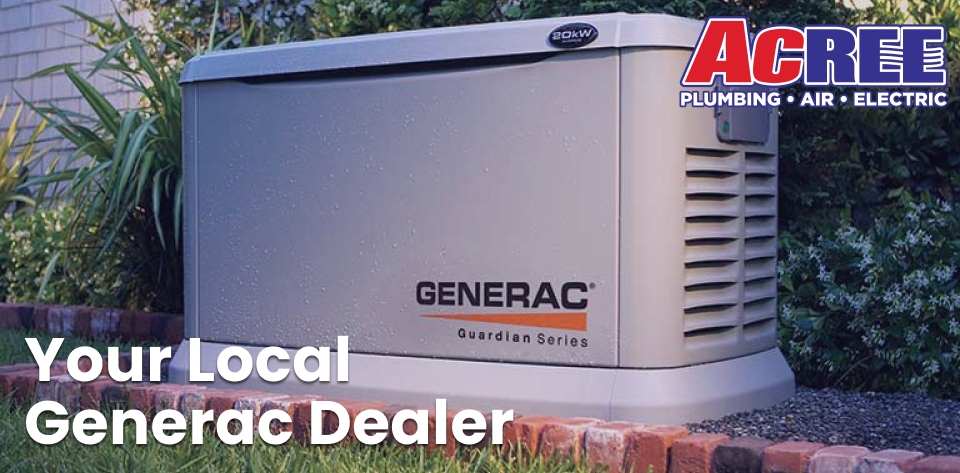
Living in Florida comes with its perks—sunny skies, sandy beaches, and warm weather nearly year-round. But those skies can turn threatening fast, and power outages aren’t uncommon. From hurricanes to heat waves, losing electricity in Florida is more than an inconvenience—it can be dangerous. A backup generator is a smart investment in your home’s safety and comfort that every Florida homeowner should consider installing.

Florida’s Vulnerability to Power Outages

Florida is no stranger to power outages. One of the biggest threats comes from hurricane season, which lasts from June through November. Tropical storms and hurricanes can knock down power lines, damage substations, and leave entire communities in the dark for days—sometimes even weeks. These outages are often widespread and unpredictable, making it difficult to know when power will return.

Even outside of storm season, the summer heat puts intense pressure on the electrical grid. When temperatures soar, the demand for air conditioning spikes. That increased demand can overload the system, causing brownouts or full-scale blackouts. On top of that, parts of Florida still rely on aging electrical infrastructure, which is more prone to failure. The combination of severe weather, extreme heat, and outdated equipment creates a perfect storm for occasional (and sometimes extended) outages.

Benefits of Owning a Backup Home Generator

Through hurricanes and scorching summer days, a standby generator offers many benefits:

  • Uninterrupted power supply: A generator keeps your essential systems, such as air conditioning, refrigeration, and lighting, running during extended outages.
  • Health and safety: For households that rely on medical equipment or need to stay cool to avoid heat-related illnesses, a generator can be a lifesaver.
  • Property protection: With a whole-home generator, your home’s security systems will stay online, your sump pumps will prevent flooding, and power surges are kept in check, minimizing the risk of costly damage.
  • Peace of mind: Knowing your home is prepared for the unexpected can help you and your loved ones sleep better at night.

Choosing the Right Generator for Your Home

Choosing the right standby generator requires careful consideration of your home’s needs, as well as a few other factors. You’ll need to consider several things:

  • Power needs: Start by assessing which appliances and systems you need to power during an outage. Calculate the total wattage to make sure that the generator you choose can handle the load.
  • Fuel type: Generators can run on different fuels, such as natural gas, propane, or diesel. Consider which fuel types are most available and affordable in your area.
  • Installation requirements: Determine where the generator will be installed and make sure there’s adequate space, ventilation, and accessibility for safe operation and future maintenance.
  • Maintenance and support: Choose a generator brand and installer that offer reliable maintenance plans and warranty coverage, so you’re not left on your own in an emergency.

Investing in a Generator for Florida Homes

In Florida’s unpredictable climate, having a backup power source is an essential part of protecting your home and loved ones. At Acree Plumbing, Air & Electric, we’ve been offering quality electrical services in Tampa, Sarasota, and St. Petersburg for 50+ years.

We make it easy to choose and install the right generator with expert guidance, upfront pricing, and a 100% customer satisfaction guarantee. Our team of licensed technicians will ensure that your installation goes smoothly and your generator is reliable so that you’re never left in the dark.

Contact our team for standby generator installation for your Florida home.

Tariff Effects on Home Services: Why Are HVAC Prices Increasing?

Trane HVAC Dealer & Installation Services in Tampa & Sarasota, FL

Recent developments in international trade policies are causing a stir in the HVAC industry. Florida Homeowners may soon feel the impact on their wallets. Explore the reasons behind these price increases to help you make informed decisions about your home’s heating and cooling system.

Why Are HVAC Prices Increasing?

The cost of keeping your Florida home cool is going up, and it’s not just because of warming temperatures outside. Whether you’re planning an HVAC replacement or hoping your current system hangs on a little longer, it’s important to understand what’s causing the sticker shock.

New Tariff Policies

The U.S. government first imposed a 25% tariff on steel and a 10% tariff on aluminum imports in 2018, aiming to boost domestic production and protect national security interests. These tariffs have remained in place over the years, continuing to affect industries that rely heavily on these materials—HVAC manufacturing included.

In 2025, the impact intensified. The current administration not only reinstated these tariffs but expanded them. As of June 2025, the tariff rate on steel and aluminum imports is set to double to 50%. This dramatic increase has significantly raised production costs for HVAC equipment.

As a result, homeowners are seeing higher system prices. Some estimates suggest HVAC equipment costs have risen by 15% to 30%, depending on system type and manufacturer. With ongoing trade negotiations and material sourcing challenges, additional price volatility is expected throughout the remainder of the year.

Regulatory Changes and Environmental Standards

As of January 1, 2025, HVAC manufacturers must comply with new EPA guidelines phasing down R-410A refrigerant. This means all newly manufactured systems will transition to lower-GWP refrigerants like R-454B and R-32. The equipment redesigns required to accommodate these new refrigerants have caused increased production costs that manufacturers pass on to consumers.

Rising Cost of Raw Materials

Prices for materials used in HVAC manufacturing, such as copper, aluminum, and steel, have risen recently, putting a strain on domestic manufacturers and contractors. As raw material costs continue escalating, the overall price of HVAC systems will also rise.​

Supply Chain Disruptions and Labor Shortages

Ongoing supply chain issues have limited the availability of critical HVAC components like semiconductors and specific metals. These shortages result in increased production costs and delays. A shortage of skilled labor in the HVAC industry has also driven up labor costs, further contributing to higher prices for HVAC systems and services.

Increasing Demand for Energy-Efficient Systems

There is a growing consumer demand for environmentally friendly HVAC systems. While they offer long-term savings on energy bills, these systems come with higher upfront costs because they boast the latest technology and comply with new environmental standards.

What Can Homeowners Do?

While increasing HVAC prices are out of your control, you’re not stuck either sacrificing comfort or spending more than you need to. You can stay ahead of rising HVAC costs with these tips:

  • Plan ahead: If your system is older or showing signs of wear, consider replacing it before prices spike further. Acting before your system breaks down completely also helps avoid emergency replacement costs and peak-season delays when everyone else is scrambling for service.
  • Look into energy efficiency incentives: Upgrading to a high-tech HVAC system might seem pricey at first, but federal tax credits, state programs, and local utility rebates make these systems much more affordable. Ask your HVAC provider to help you explore which incentives you qualify for and how much you can save.
  • Explore financing and coupons: Ask your provider what payment options and deals are available. Financing programs spread out the cost of a new HVAC system, while coupons lower the total amount you owe.
  • Maintenance over replacement: It might not be time to toss your current system out just yet. Many HVAC units last years longer and run more efficiently with regular maintenance.
  • Talk to a local expert: A local HVAC professional can help you make sense of it all. Having someone who knows the area makes a big difference when deciding on heating and cooling solutions for your Florida home.

Stay Comfortable with Acree Plumbing, Air & Electric

Acree has been serving the Tampa, Sarasota, and St. Petersburg communities since 1967. We pride ourselves on delivering top-notch HVAC, plumbing, and electrical services performed by licensed and insured technicians. Our upfront pricing, same-day service, and free replacement estimates make it easy for homeowners to make informed decisions about their home comfort systems.

Contact us today to consult a trusted HVAC professional before committing to your next equipment upgrade.