Category: Uncategorized

Backflow Prevention Matters: Protecting Your Home’s Water Supply This Spring

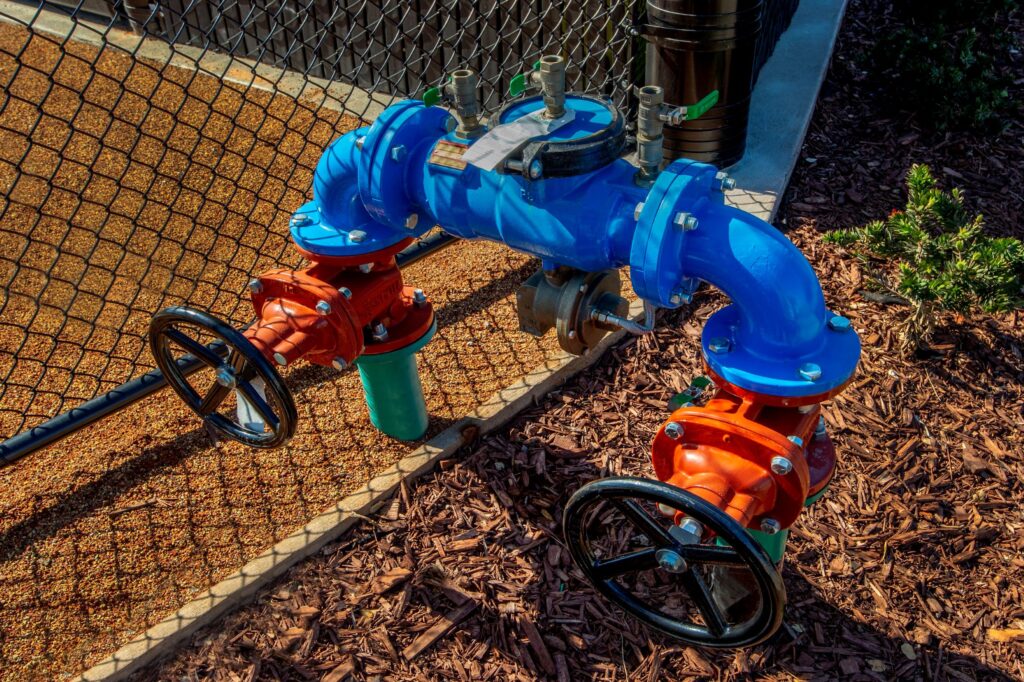
Backflow preventer device

Backflow occurs when water flows in the opposite direction of its intended path, potentially contaminating the clean water supply with pollutants, chemicals, or waste. This is particularly concerning for Tampa residents, where frequent use of irrigation systems in the spring increases the risk of backflow incidents.

Preventing this issue is crucial to maintaining the health and safety of your water. Acree Plumbing, Air & Electric, Florida’s leading expert in backflow prevention services, is here to help residents understand this essential system and why it plays a vital role in safeguarding their water supply.

What Is Backflow & Why Does It Happen?

The term backflow refers to the unwanted reversal of water direction within a plumbing system, which can result in contaminants entering the clean water supply.

It typically occurs when there’s a change in pressure, such as during a sudden drop in the municipal water supply or when a system uses high-pressure irrigation.

Scenarios like broken water mains, excessive demand during peak use, or improper connections can create a vacuum that pulls tainted water back into the system. Understanding these risks highlights the importance of prevention measures to protect your water supply.

How Backflow Affects Your Home’s Water Supply

When backflow happens, it can compromise the cleanliness of the water you use for bathing, drinking, cooking, and other daily activities. Contaminants like pesticides, fertilizers, sewage, or industrial waste may enter your plumbing system, posing severe health risks to your family.

Waterborne illnesses can result from using polluted water, making backflow prevention an essential component of maintaining a safe and healthy household environment.

The Role of Backflow Prevention Devices

Devices that prevent backflow are essential for maintaining a safe water supply within your home. These systems act as barriers, ensuring that water flows in the correct direction and protects clean water from contamination due to backflow.

Backflow can occur at cross-connections, such as irrigation systems, outdoor faucets, or water heaters, when pressure changes cause non-potable water to reverse direction and mix with potable water. Backflow prevention devices mitigate these hazards, preserving the integrity of the water used for drinking, bathing, and cooking.

Springtime Risks: Why Now Is the Time to Check Your Backflow Preventer

Spring is the season when irrigation systems see frequent use, making it the most critical time to inspect your backflow prevention system. Increased outdoor water use and potential pressure fluctuations heighten the risk of contamination.

Checking your backflow preventer ensures it operates effectively, minimizing the chances of polluted water entering your residence. Routine inspections and maintenance in the spring can help detect and resolve any potential issues before they escalate.

Professional Backflow Testing & Maintenance

To safeguard the optimal performance of your backflow prevention system, professional testing and maintenance are essential. Licensed technicians have the knowledge to test for vulnerabilities, repair malfunctions, and confirm that your device meets regulatory standards.

Regular service helps maintain the efficiency of your system, preventing costly repairs or water contamination in the long run. Entrusting your backflow needs to skilled professionals guarantees comprehensive protection for your water supply.

Protect Your Water Supply This Spring with Acree

Backflow poses a significant threat to your home’s water quality, and prevention is the key to avoiding contamination. Acree Plumbing, Air & Electric offers top-tier backflow testing and maintenance services to keep your system in peak condition.

With over 50 years of trusted experience, we provide customers with exceptional service and peace of mind. Our 100% customer satisfaction guarantee and upfront pricing via our Straightforward Pricing Guide™ ensures a worry-free experience.

Backed by licensed, insured, and background-checked technicians, we are your one-stop shop for home services serving over 60,000 happy customers. Rated 4.7 stars on Google, we’re the trusted choice for Sarasota and St. Petersburg, Florida residents.

Schedule your backflow prevention service with Acree today.
Heat Pump vs. Furnace: What’s Best for Tampa Bay?

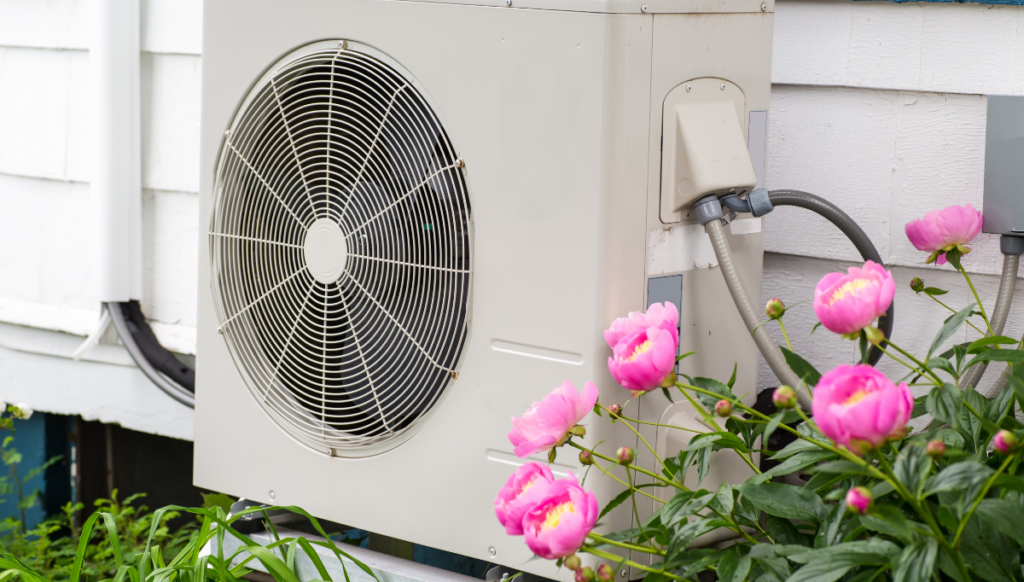
A heat pump outdoor unit installed next to a home with white siding. Pink flowering bush in foreground.

Living in Tampa Bay means enjoying warm weather most of the year, but that doesn’t mean you’ll never need to heat your home. When those occasional chilly nights roll in, having the right heating system makes all the difference in comfort and utility costs.

The big question for Florida homeowners is whether a heat pump or a furnace is the better option. The answer lies in considering energy efficiency, upfront cost, savings over time, and Tampa Bay’s climate.

How Heat Pumps & Furnaces Work

What’s a Heat Pump?

A heat pump is an energy-efficient system that both heats and cools your home. Instead of generating heat like a furnace or boiler, it transfers heat from the outside air into your home during colder months. In the summer, it reverses the process, removing heat from your home to keep it cool.

What’s a Furnace?

A furnace generates heat by burning gas, using electricity, or in some cases, oil. The heated air is then distributed throughout your home via ductwork.

Furnaces are common in colder regions where temperatures drop significantly, but they can still be used in Florida. Because a furnace only provides heat, you’ll need a separate AC system for cooling.

Comparing Heat Pumps & Furnaces in Tampa Bay

1. Energy Efficiency

Heat pumps have a clear advantage in Tampa Bay’s climate. Because they move heat instead of creating it, they require significantly less energy to warm a home during mild winters.

In contrast, a furnace must generate heat, which can be less efficient for a region that only needs occasional heating. Since a furnace isn’t used frequently in Florida, it may struggle to justify its energy consumption.

2. Cost Considerations

The initial cost of a heat pump is often higher than that of a furnace, but the long-term savings can make up for it. Heat pumps are more energy-efficient, meaning lower utility bills over time. Because they also serve as ACs, homeowners save on the cost of purchasing and maintaining separate heating and cooling systems.

Furnaces, while typically more affordable upfront, can lead to higher energy costs if used often, especially if paired with an air conditioning unit that requires separate maintenance and repairs.

3. Climate Suitability

Tampa Bay’s mild winters are ideal for heat pumps, which perform most efficiently in moderate temperatures. Furnaces are built to handle extreme cold, which isn’t necessary in Florida. Investing in a furnace for a region that rarely experiences freezing temperatures can feel like overkill.

4. Lifespan & Maintenance

Heat pumps typically last between 10 and 15 years. Because they operate all year, they may experience more wear and tear over time and require more maintenance.

Furnaces have a longer lifespan of around 15 to 20 years. However, since a furnace requires a separate AC system, homeowners must maintain two units instead of one, which can lead to additional costs.

Which Option Is Best for Tampa Bay Homeowners?

For most Tampa Bay homeowners, a heat pump is the best choice. Its efficiency, cost savings, and ability to provide both heating and cooling make it the ideal solution for Florida’s climate.

A furnace may only be suitable in specific cases, such as for homes that already have gas lines installed or prefer to use a gas heating system. Overall, for year-round comfort and lower energy costs, a heat pump is the clear winner.

Choose Acree Plumbing, Air & Electric for Heating Services in Tampa Bay

When choosing between a heat pump and a furnace for your Tampa Bay home, a heat pump offers superior energy efficiency, cost savings, and climate suitability. Its ability to handle both heating and cooling makes it the preferred option for Florida homeowners.

If you’re unsure which system is right for your home, consulting with a trusted local HVAC professional can help you make the best decision for your comfort and budget. At Acree Plumbing, Air & Electric, we’ve helped Florida homeowners stay warm since 1967. Our expert team can help you choose the best heating solution for your home.

Contact us to schedule a consultation on the best Tampa Bay heating solution for your home.

Plumbing, Electrical and HVAC Upgrades to Tackle Before Spring

It’s tough to believe spring is right around the corner, but that means you still have time to upgrade your home’s plumbing, HVAC and electrical systems.

Plumbing Upgrades

  • Landscape and irrigation system check: Spring gardening season will put an immediate demand on your home’s sprinkler system and outdoor water lines. Test the irrigation system and fix any broken sprinkler heads.
  • Check for leaks: Inspect your home’s pipes for cracks or leaks that might have developed over the winter.
  • Install a whole-home water filtration system: Upgrade your home’s drinking water with a filtration system that purifies your water where it enters your home. Your Acree professional can guide you through your options for better drinking water this spring.

HVAC Upgrades

  • Conduct a cooling system check-up: Before temperatures begin to climb and HVAC experts get busy with AC repairs, schedule a maintenance service to increase your system’s efficiency and identify any issues that could develop into bigger problems.
  • Consider an AC upgrade: If your AC is older than 15 years old or needs frequent repairs, you should consider replacing the unit. New refrigerant regulations introduced in 2025 can be complicated and confusing. Your HVAC professional can walk you through the new regulations and how they might impact your HVAC upgrade decisions.
  • Install a programmable thermostat: Before Florida temperatures start to climb, consider upgrading to a programmable thermostat to help maintain the perfect indoor temperature.

Electrical Upgrades

  • Check Outdoor Lighting: As the days get longer, you’ll likely be spending more time outside. Ensure your outdoor lighting is working properly, whether it’s for security or ambiance. Replace bulbs and test motion-sensor lights to keep your yard safe and well-lit. Now is a great time to add more lighting where you find gaps.
  • Install Whole-House Surge Protection: Protect your appliances and electronics from power surges by installing a whole-house surge protector. This simple upgrade will safeguard your home’s electrical system from lightning strikes or sudden power outages.
  • Add Outdoor Outlets: With the arrival of warmer weather, you may find yourself needing power outdoors for everything from gardening tools to outdoor entertainment setups. Adding a GFCI outdoor outlet will allow you to safely power these devices while protecting you from potential electrical hazards.

It’s not long now until spring turns the page on this winter weather. Acree Plumbing, Air & Electric can help you with all your Florida home upgrades to tackle before spring arrives. Call us today! 

Do I Need a Seasonal Winter HVAC Tune-Up in Florida?

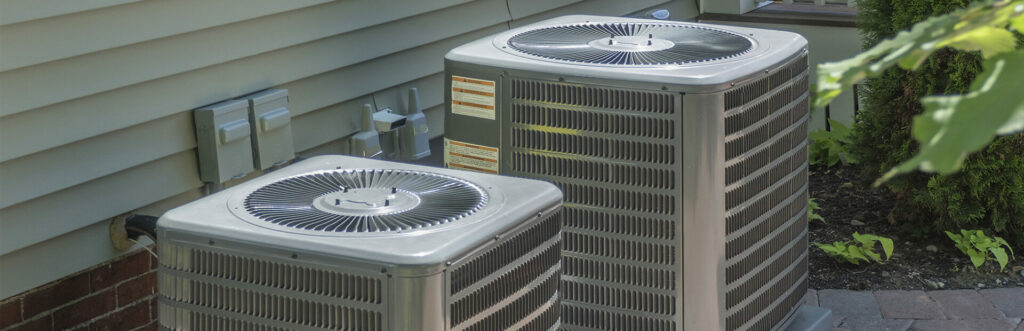
Two HVAC units next to a home.

Living in Florida means nearly endless summer weather. Of course, this also means your air conditioner works overtime. While you may think your HVAC system can handle the workload forever, investing in a seasonal tune-up during the cooler months ensures your system is ready for the inevitable return of sizzling temperatures next spring.

Why HVAC Maintenance Is Essential, Even in Florida

In most places, air conditioners only work three months out of the year, but not in Florida. Here, your AC runs almost all year. The constant usage leads to wear and tear, even for the most robust systems. Without regular maintenance, your unit might break down at the worst possible time.

Besides this, Florida’s famous humidity creates the perfect breeding ground for mold and mildew within your system. Dirt and debris also accumulate, further reducing efficiency and air quality. Routine tune-ups give you a chance to clean the system for improved performance.

Benefits of a Winter HVAC Tune-Up

Scheduling a tune-up in the winter has several advantages that make it worth the effort:

  • Improved efficiency: A neglected HVAC system has to work harder to do its job, which translates to greater energy consumption and higher bills. During a tune-up, technicians clean components and make adjustments, resulting in higher cooling capacity and less strain.
  • Fewer repairs: Catching small issues during a maintenance check can prevent them from becoming costly repairs or complete system failure. It’s a win for your wallet and your peace of mind.
  • Better air quality: Your HVAC system doesn’t just cool your home — it also filters the air you breathe. Dust, dirt, and allergens build up over time, reducing the system’s ability to filter effectively. A winter tune-up ensures your indoor air remains fresh and healthy.
  • Increased comfort: Florida weather may be mild during winter, but that doesn’t mean your home’s comfort should take a backseat. A well-maintained HVAC system ensures consistent airflow and temperature control, so you’re not dealing with hot spots, stuffy rooms, or uneven cooling.

What Happens During a Seasonal HVAC Tune-Up?

Seasonal maintenance is far more than just a cursory glance at your system — it’s a thorough process designed to address issues and optimize performance. Here’s what to expect from your technician during a professional cooling or heating tune-up:

  • Check the refrigerant levels
  • Clean the coils
  • Inspect electrical and fuel connections
  • Inspect the heating element
  • Balance the blower fan
  • Calibrate the thermostat and controls
  • Lubricate moving parts
  • Evaluate system efficiency

Signs Your HVAC System Needs a Tune-Up

Routine maintenance is best scheduled twice a year — once in the spring and again in the fall — but certain problems might signal your system needs attention sooner. Here’s what to watch out for:

  • Unusual noises or odors: Strange banging, clanking, or hissing noises indicate potential mechanical issues. Foul odors could point to mold or burning components. Both warrant a professional inspection.
  • Poor performance: If your system struggles to maintain the desired temperature or airflow feels weak, it’s time for a tune-up.
  • Increased energy bills: A sudden spike in utility costs often means your system is working harder than it should. A tune-up may be the key to operating efficiently again.
  • Frequent cycling on and off or longer run times: Both short-cycling and endless running indicate that your system isn’t operating efficiently. Address the root cause with a maintenance visit before things get worse.

Choose Acree for Your HVAC Maintenance

Florida’s climate demands a lot from your HVAC system, making regular maintenance essential. Acree Plumbing, Air & Electric has been trusted by over 60,000 happy customers since 1967. Our licensed and insured technicians deliver same day service and always put honesty first. Plus, with our Acree Maintenance Plan, you can stay ahead of repairs and enjoy exclusive benefits.

Schedule a winter tune-up in Tampa, Sarasota, or St. Petersburg, and beat the rush before Florida’s hot weather returns.

2025 Changes to Freon Requirements for Tampa & Sarasota Homeowners

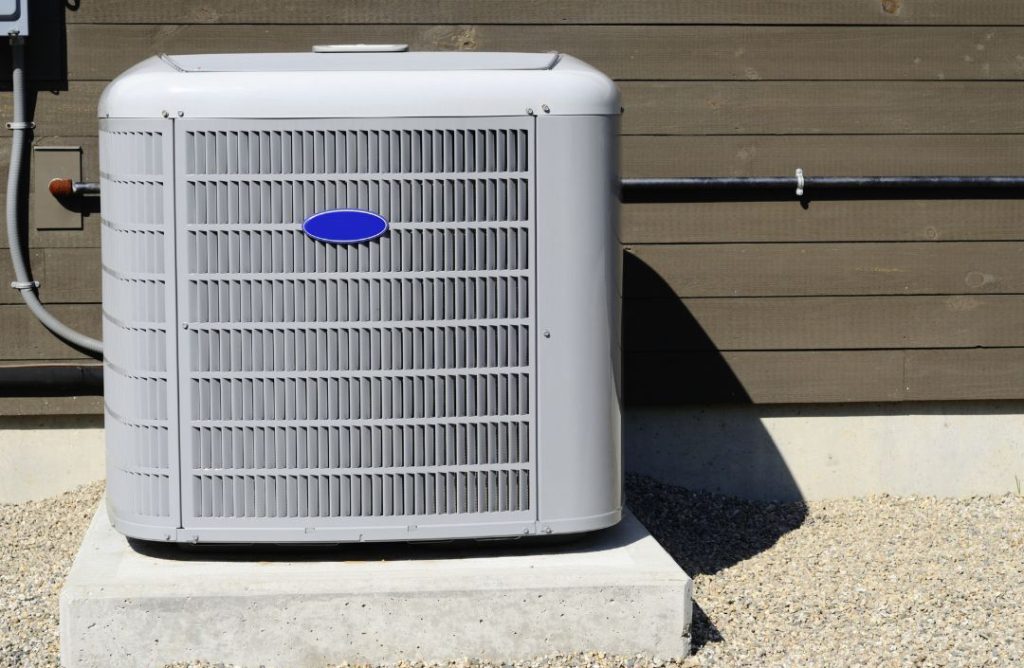
HVAC unit outside a home with gray/brown siding.

In Tampa and Sarasota, FL, where high heat and humidity can make homes unbearable without proper cooling, HVAC systems are essential for maintaining comfort.

In 2025, significant changes to refrigerant regulations will affect HVAC systems across the country. The phase-out of R-22, or Freon, is a key part of these changes, with new environmentally friendly refrigerants like R-454B becoming the standard. This aims to reduce the environmental impact of refrigerants, as Freon contributes to ozone depletion and global warming.

This transition comes with increased costs, as newer refrigerants and equipment that go with that tend to be more expensive, along with costs for retrofitting older systems. As a result, homeowners may face higher upfront costs for HVAC replacements or repairs, making it even more important to stay informed and prepared.

Call today to learn more about the 2025 refrigerant changes and schedule an HVAC upgrade.

What Are the 2025 Changes to Freon Requirements?

The 2025 changes to Freon requirements stem from the American Innovation and Manufacturing Act of 2020, mandating the phase-out of hydrofluorocarbons like Freon due to their harmful environmental impact. This law is part of the U.S. commitment to reduce greenhouse gas emissions and protect the ozone layer. The phase-out of Freon has been a long-standing process, and by 2025, production and importation will be completely banned.

In place of R-22, HVAC systems have been transitioning to R-410A, and by 2025, R-454B. While R-454B offers better environmental performance, it’s more expensive than R-410A, and HVAC systems designed for Freon may need to be retrofitted or replaced to accommodate these new refrigerants.

The Impact of These Changes on Tampa & Sarasota Homeowners

These refrigerant changes will impact Tampa and Sarasota homeowners with higher HVAC equipment costs, as newer refrigerants are more expensive. This shift may also affect HVAC equipment purchases, as systems will need to be compatible with these eco-friendly refrigerants.

Additionally, homeowners may experience delays or limited equipment availability due to the transition, making it crucial to plan for potential upgrades or replacements.

The New Refrigerants: R-410A vs. R-454B

R-22 (Freon), R-410A, and R-454B are all refrigerants used in HVAC systems, with differing environmental impacts. R-22 is being phased out due to its impact on the ozone layer and contribution to global warming. R-410A still carries risks due to higher pressure and potential leakage. R-454B is the newest, with significantly lower Global Warming Potential and no ozone depletion potential, making it the most environmentally friendly option.

R-454B offers enhanced efficiency, leading to lower energy costs, and supports climate initiatives, making it a great choice for sustainable living. However, the transition to R-454B presents challenges. Homeowners may need to adjust to changes in the HVAC industry, including the need for new system designs, safety protocols, and potential equipment upgrades to accommodate this refrigerant.

Advantages of the 2025 Refrigerant Changes

These changes offer advantages by promoting a healthier, more efficient future for HVAC systems, such as:

  • Environmental benefits
  • Improved system efficiency
  • Long-term sustainability

Disadvantages & Challenges for Homeowners

While the changes offer long-term benefits, they also come with challenges for homeowners and the HVAC industry due to:

  • Higher initial costs
  • Training and expertise requirements for HVAC professionals
  • Supply chain issues and availability

How Homeowners Can Prepare for 2025 Refrigerant Changes

Homeowners can prepare for the 2025 changes by planning ahead for HVAC replacements, considering financing options can help manage the higher costs while scheduling an HVAC inspection can identify any necessary upgrades.

It’s also recommended to work with certified HVAC professionals who are trained in handling the new refrigerants, ensuring a smooth transition and optimal system performance.

Choose Acree

As the 2025 refrigerant changes impact HVAC systems, pricing, and the environment, it’s important for homeowners to be proactive in preparing for these shifts. Acree is here to guide you through the transition with expert advice, helping you take advantage of financing options and ensuring your system is ready for the future.

With upfront pricing, we promise to show up on time, be honest, and never upsell you unless it’s truly necessary — providing reliable, customer-focused service every time.

Schedule with Acree today to ensure your HVAC system is ready for the 2025 refrigerant changes.

What Is Acree’s Service Area?

palm tree blowing in strong wind, with dark clouds in background.

Acree Plumbing, Air & Electric is more than a standard HVAC and plumbing provider — we’re a full-service contractor that offers exceptional home comfort services in Tampa, Florida, and surrounding areas. Our licensed and insured technicians maintain or replace damaged HVAC equipment, install electrical components, perform common to complex plumbing repairs, and more.

Learn more about our coverage, including specific services by area, in this helpful breakdown. Read on to find out if we provide services in your neighborhood.

Our Service Coverage Area

We’re the preferred choice for cooling, heating, plumbing, and electrical services in West-Central Florida and the Tampa Bay area. While Tampa is the largest city we serve, we also extend our services to St. Petersburg, Clearwater, Sarasota, and beyond.

Our service area covers Florida’s Northern Gulf Coast, from Hudson to Englewood along Lemon Bay. We also serve areas like Myakka City, Edgeville, and Pine Level along State Road 70, with a strong presence in Bradenton and the rest of Manatee County. We provide services as far east as Arcadia.

Note that our HVAC, plumbing, and electrical services vary by town or county, so refer to our service area guide to check availability in your hometown.

Services We Offer

We bring expert solutions right to your doorstep in the Tampa Bay area. Acree has helped over 60,000 happy customers with best-in-class services for:

Cooling

Staying cool in Tampa’s humid subtropical climate is easy when you have comprehensive cooling that prioritizes effectiveness and energy efficiency. Homeowners in our service area rely on us for:

Heating

While Florida isn’t known for its cold spells, they do happen on occasion. That’s why it’s important to be prepared with reliable heating when temperatures dip on a chilly night. We help homeowners stay comfortable year-round with heating services like:

Plumbing Services

Having a plumbing provider who can do it all is essential. From 7 a.m. to 11 p.m. every day of the week, you can count on Acree for whole-home plumbing services that cover:

Electrical Services

When it comes to electrical work, it’s always best to leave it to the professionals. Acree Plumbing, Air & Electric handles everything from wiring and rewiring to electrical panel replacements, whole-home surge protection, and more. We’ll ensure everything is safe and up to code.

Generator installation and replacement are among our most vital services in St. Petersburg and Sarasota. Coastal areas often take the brunt of tropical storms, and power outages are a real concern. With our expertise, you’ll have peace of mind that the lights will stay on, no matter what.

Find Services in Your Area

See what services we offer in your area!

  • Adamsville: HVAC, Electrical & Plumbing
  • Anna Maria: PlumbingHVAC
  • Apollo Beach: HVAC, Electrical & Plumbing
  • Arcadia: Plumbing
  • Balm: HVAC, Electrical & Plumbing
  • Bardmoor: HVAC, Electrical & Plumbing
  • Baskin: HVAC, Electrical & Plumbing
  • Bay Pines: HVAC, Electrical & Plumbing
  • Bayshore Gardens: HVAC & Plumbing
  • Bear Creek: HVAC, Electrical & Plumbing
  • Belleair Beach: HVAC, Electrical & Plumbing
  • Belleair Bluffs: HVAC, Electrical & Plumbing
  • Belleair Shore: HVAC, Electrical & Plumbing
  • Belleair: HVAC, Electrical & Plumbing
  • Bloomingdale: HVAC, Electrical & Plumbing
  • Boyette: HVAC, Electrical & Plumbing
  • Bradenton Beach: PlumbingHVAC
  • Bradenton: HVACPlumbing
  • Brandon: HVACElectricalPlumbing
  • Carrollwood Village: HVAC, Electrical & Plumbing
  • Carrollwood: HVAC, Electrical & Plumbing
  • Cheval: HVAC, Electrical & Plumbing
  • Citrus Park: HVAC, Electrical & Plumbing
  • Clair-Mel: HVAC, Electrical & Plumbing
  • Clearwater: HVACElectricalPlumbing
  • Cortez: HVACElectricalPlumbing
  • Crystal Beach: HVAC, Electrical & Plumbing
  • Curlew: HVAC, Electrical & Plumbing
  • Dover: HVAC, Electrical & Plumbing
  • Dunedin: HVAC, Electrical & Plumbing
  • East Lake: HVAC, Electrical & Plumbing
  • Edgeville: Plumbing
  • Egypt Lake-Leto: HVAC, Electrical & Plumbing
  • Elfers: HVAC, Electrical & Plumbing
  • Ellenton: HVACPlumbing
  • Englewood: PlumbingHVAC
  • Feather Sound: HVAC, Electrical & Plumbing
  • FishHawk: HVAC, Electrical & Plumbing
  • Fort Hamer: HVAC & Plumbing
  • Foxleigh: HVAC & plumbing
  • Fruitville: Plumbing
  • Gandy: HVAC, Electrical & Plumbing
  • Gibsonton: HVAC, Electrical & Plumbing
  • Greenbriar: HVAC, Electrical & Plumbing
  • Gulfport: HVAC, Electrical & Plumbing
  • Harbor Bluffs: HVAC, Electrical & Plumbing
  • Highpoint: HVAC, Electrical & Plumbing
  • Hillsborough County: HVAC, Electrical & Plumbing
  • Holiday: HVACPlumbing
  • Holmes Beach: PlumbingHVAC
  • Indian Rocks Beach: HVAC, Electrical & Plumbing
  • Indian Shores: HVAC, Electrical & Plumbing
  • Innisbrook: HVAC, Electrical & Plumbing
  • Kenneth City: HVAC, Electrical & Plumbing
  • Kensington Park: HVAC & Plumbing
  • Keystone: HVAC, Electrical & Plumbing
  • Lake Magdalene: HVAC, Electrical & Plumbing
  • Lakewood Ranch: HVACPlumbing
  • Land O’ Lakes: HVAC, Electrical & Plumbing
  • Laurel: ElectricalHVACPlumbing
  • Largo: HVACElectricalPlumbing
  • Lealman: HVAC, Electrical & Plumbing
  • Lido Key: Plumbing
  • Longboat Key: HVACPlumbing
  • LutzHVACElectricalPlumbing
  • Madeira Beach: HVAC, Electrical & Plumbing
  • Mango: HVAC, Electrical & Plumbing
  • Memphis: HVAC & Plumbing
  • Myakka City: PlumbingHVAC
  • New Port Richey: HVACElectricalPlumbing
  • Nokomis: PlumbingHVAC
  • North PortHVACPlumbing
  • North Redington Beach: HVAC, Electrical & Plumbing
  • North Sarasota: HVAC & Plumbing
  • Northdale: HVAC, Electrical & Plumbing
  • Odessa: HVACPlumbing & Electrical
  • Oldsmar: HVAC, Electrical & Plumbing
  • Oneco: HVAC & Plumbing
  • Orient Park: HVAC, Electrical & Plumbing
  • Osprey: ElectricalPlumbing
  • Ozona: HVAC, Electrical & Plumbing
  • Palm Harbor: HVAC, Electrical & Plumbing
  • Palm River-Clair Mel: HVAC, Electrical & Plumbing
  • Palma Sola: HVAC & Plumbing
  • Palmetto: HVACPlumbing
  • Parrish: HVACPlumbing
  • Pebble Creek: HVAC, Electrical & Plumbing
  • Pine Level: Plumbing
  • Pinellas County: HVAC, Electrical & Plumbing
  • Pinellas Park: HVAC, Electrical & Plumbing
  • Plant City: HVAC, Electrical & Plumbing
  • Progress Village: HVAC, Electrical & Plumbing
  • Redington Beach: HVAC, Electrical & Plumbing
  • Redington Shores: HVAC, Electrical & Plumbing
  • Ridgecrest: HVAC, Electrical & Plumbing
  • Riverview: HVAC, Electrical & Plumbing
  • Rubonia:  HVAC & Plumbing
  • Ruskin: HVAC, Electrical & Plumbing
  • Safety Harbor: HVAC, Electrical & Plumbing
  • Saint Pete Beach: HVAC, Electrical & Plumbing
  • Saint Petersburg: HVAC, Electrical & Plumbing
  • Sarasota Springs: Plumbing
  • Sarasota: HVACPlumbing
  • Seffner: HVAC, Electrical & Plumbing
  • Seminole: HVAC, Electrical & Plumbing
  • Spring Hill: HVACPlumbing
  • Siesta Key: Plumbing
  • South Bradenton: HVAC & Plumbing
  • South Highpoint: HVAC, Electrical & Plumbing
  • South Pasadena: HVAC, Electrical & Plumbing
  • South Venice: Plumbing
  • Southgate: Plumbing
  • St. George: HVAC, Electrical & Plumbing
  • St. Pete Beach: HVAC, Electrical & Plumbing
  • St. Petersburg: HVACElectricalPlumbing
  • Sun City Center: HVAC, Electrical & Plumbing
  • Sun City: HVAC, Electrical & Plumbing
  • Tampa: HVAC, Electrical & Plumbing
  • Tarpon Springs: HVAC, Electrical & Plumbing
  • Temple Terrace: HVAC, Electrical & Plumbing
  • Thonotosassa: HVAC, Electrical & Plumbing
  • Tierra Verde: HVAC, Electrical & Plumbing
  • Town ‘n’ Country: HVAC, Electrical & Plumbing
  • Treasure Island: HVAC, Electrical & Plumbing
  • Trinity: HVAC, Electrical & Plumbing
  • Valrico: HVAC, Electrical & Plumbing
  • Venice: PlumbingElectricalHVAC
  • Wall Springs: HVAC, Electrical & Plumbing
  • Walsingham: HVAC, Electrical & Plumbing
  • Wesley Chapel: HVAC, Electrical & Plumbing
  • West Bradenton: HVAC & Plumbing
  • West Lealman: HVAC, Electrical & Plumbing
  • Westchase: HVAC, Electrical & Plumbing
  • Whitfield: HVAC & Plumbing
  • Wimauma: HVAC, Electrical & Plumbing
  • Zephyrhills: HVAC, Electrical & Plumbing

Choose Acree Plumbing, Air & Electric

As a one-stop shop for all your home comfort needs, Acree brings over 50 years of experience to every job. Our top-rated technicians provide a higher standard of care to the Tampa Bay area, delivering upfront pricing through our Straight Forward Pricing Guide™. Whether you need routine maintenance or emergency repair, all our services are backed by a 100% customer satisfaction guarantee.

No overtime charges, ever. Speak to an Acree Plumbing, Air & Electric team member today to learn more about our services near Tampa, FL.

Four HVAC Smells and What to Do About Them

Four HVAC Smells and What to Do About Them

When you turn on your heat, do you smell it along with feel it?

It’s not uncommon for your HVAC system to emit a smell when it first turns on, and oftentimes, it’s not dangerous. Find out here if that smell coming from your HVAC system is normal or if there is cause for concern.

Common HVAC Smells

Mildew

The most common reason for a musty or mildew smell is moisture trapped in the system. Moisture can accumulate in the ducts and air handler and create an opportunity for mold and mildew to grow.

The solution: A professional HVAC inspection and cleaning will clear any mold or mildew buildup on HVAC components. Keeping your home’s humidity levels between 30 and 50 percent also helps to control the moisture level in your home.

Dirty Socks

Bacteria or mold growing on the condenser coil can create a smell similar to dirty gym clothes or socks.

The solution: Clean the evaporator coil and change your HVAC filters to remove the mold and the smell.

Burning

When you turn your HVAC on for the first time during the heating season, you may smell burning surface dust burning off the components. The smell often dissipates as the system continues to run.

The solution: Allow the system to run. If the burning smell persists, the system might have overheated components or a clogged filter. If the burning smell continues, have the system checked by a licensed professional.

Rotten egg

The smell of rotten eggs coming from your HVAC system could indicate a natural gas leak, which is a serious issue that requires immediate attention.

The solution: If you smell rotten eggs, immediately turn off your furnace and open windows. Call an HVAC technician to inspect the system and make needed repairs.

How to Prevent HVAC Smells

  • Regular Maintenance: Schedule annual HVAC inspections and cleanings. A professional technician can catch small problems before they become big (and stinky) issues.
  • Change Filters Regularly: Dirty filters not only reduce efficiency but can also contribute to musty odors. Change your air filter every 1-3 months, depending on your usage and filter type.
  • Keep Your Ducts Clean: Consider having your air ducts cleaned every 3-5 years, especially if you’ve noticed persistent odors. This helps remove any accumulated dust, mold, or debris.
  • Control Humidity: Use dehumidifiers where necessary and maintain indoor humidity levels to avoid moisture buildup in the system. Mold loves humid environments, and humidity can also cause rust and corrosion in the HVAC components.
  • Seal Leaks: Ensure that your ductwork is properly sealed to prevent air from leaking out, which can carry dust and odors throughout the home.

Annual Heating Maintenance From Acree Plumbing, Air & Electric

Your home’s heating system should provide a comfortable environment not a guessing game of what’s that smell!

At Acree Plumbing, Air & Electric, our team of licensed professionals offers an annual heating maintenance plan to keep your system operating efficiently and effectively. Since 1967, Acree Plumbing, Air & Electrical has been the one-stop shop for electrical, heating and plumbing needs for the Tampa Bay and Sarasota communities.

Call us today for same-day services.

Get Your Home Holiday Ready

Get Your Home Holiday Ready

Retailers call it holiday creep, when winter holiday preparations start before the traditional holiday season.

But, when it comes to getting your home’s HVAC, plumbing and electrical systems ready for the holidays, it’s never too early to get the season in full swing.

Check out this list of home system prep that should creep in before the holiday season.

Prepare Your HVAC System for Holiday Comfort

Your heating, ventilation, and air conditioning (HVAC) system is responsible for keeping your home comfortable, and it’s essential to make sure it’s in top condition before the holiday rush.

  • Change the Air Filters: With more guests in your home, the HVAC system will be working harder, so make sure to replace the air filters before the holidays. It’s a good idea to check the filters monthly and replace them if they appear dirty especially if holiday guests include holiday pets!
  • Schedule a Professional Tune-Up: While you can perform basic maintenance yourself, it’s always wise to have a professional HVAC technician inspect your system before the holidays set in. A scheduled tune-up is always more convenient than a system breakdown.
  • Check Your Thermostat Settings: Make sure your thermostat is functioning properly and is set to the temperature you prefer for the holiday season. Consider upgrading to a programmable or WIFI-enabled smart thermostat for greater energy efficiency and control over your heating schedule, especially if you’re hosting parties or traveling for the holidays.
  • Inspect Vents and Ducts: Check that all vents are open and unobstructed by furniture, rugs, or draperies. Blocked vents can cause uneven heating, and proper airflow is especially important with extra people in the house. If you have a fireplace, check that the flue is clear to avoid airflow issues in the HVAC system.

Prepare Your Plumbing System for Holiday Demands

With more guests using your bathrooms, extra cooks in the kitchen, and the possibility of more laundry, your plumbing system will be under additional strain during the holidays.

  • Inspect Pipes for Leaks: Check visible pipes in your kitchen, bathrooms, and basement for leaks or signs of wear. Even small leaks can lead to water damage if left unchecked. If you find anything concerning, call a plumber before the holiday season begins.
  • Clear Drains: Clogged drains are a common issue during the holidays, especially with the extra cooking. To prevent backups, make sure all kitchen drains are clear of grease, food particles, and soap scum. In the bathroom, avoid flushing anything other than toilet paper, and never offer so-called flushable wipes in your bathrooms.
  • Flush Your Water Heater: If you expect to have guests staying over or use a lot of hot water for showers, dishwashing, and laundry, make sure your water heater is in top condition. Flushing the tank to remove sediment build-up can improve efficiency and ensure a steady supply of hot water during high-demand periods.

Prepare Your Electrical System for Holiday Lights and Appliances

The holidays often mean decorating your home with festive lights, using extra appliances like air fryers and slow cookers for holiday meals, and hosting gatherings with multiple devices plugged in at once. To avoid electrical overloads or safety hazards, you’ll want to ensure that your electrical system is prepared.

  • Check Circuit Breakers: Overloaded circuits are a common cause of electrical issues during the holidays. Check your circuit breakers to ensure they are in good working order. Make sure no circuits are tripped or close to being overloaded. You may want to have a professional electrician assess your system if you’re concerned about the load.
  • Inspect Holiday Lights: Inspect all your holiday lights for frayed cords, broken bulbs, or damaged sockets. Replace any lights that are damaged, and make sure you’re using lights rated for indoor or outdoor use as appropriate.
  • Use Extension Cords Safely: If you need to use extension cords for lighting or other holiday decorations, make sure they are rated for the devices you’re plugging in. Avoid overloading extension cords, and don’t connect multiple cords together. Never run cords under rugs or furniture, as this can pose a fire hazard.
  • Consider an Electrical Panel Upgrade: If your home often experiences tripped circuit breakers or has older wiring, consider upgrading your electrical panel. An electrician can assess your home’s electrical load and recommend upgrades if necessary to handle the additional demands of the holiday season.
  • Install Smoke and Carbon Monoxide Detectors: With extra cooking, heating, and lighting, it’s essential to check that your smoke detectors and carbon monoxide detectors are working properly. Test them by pressing the test button and replacing the batteries if needed. You don’t want to discover a malfunction when the house is full of guests.

General Holiday Prep Tips

  • Stock Up on Batteries: With so many gadgets and holiday decorations running, batteries are in high demand during the holidays. Make sure to stock up on common battery sizes like AA, AAA, and 9V for smoke detectors and remotes.
  • Create an Emergency Kit: Holiday season mishaps can happen, from electrical issues to plumbing problems. Having a basic emergency kit — including a flashlight, first aid supplies, and a few essential tools — can help you respond to minor problems quickly.

Proactive Home Prep with Acree Plumbing, Air & Electric

Like it or not, the holiday season seems to make an appearance earlier each year. And, while you might not be ready for the holiday music and retail sales, your home’s plumbing, HVAC and electrical system can always benefit from the proactive holiday prep.

At Acree Plumbing, Air & Electric, our team is always ready to tackle your Tampa area home care needs no matter the season. Call us today!

How to Avoid Inviting a Plumber to Your Thanksgiving Gathering

How to Avoid Inviting a Plumber to Your Thanksgiving Gathering

Thanksgiving is a great time to give gratitude, but it can also be a recipe for a plumbing disaster is you aren’t careful! Here are four essential tips to help you focus on the holiday and not focused on finding a plumber.

Garbage Disposal Don’ts

Don’t let your Thanksgiving meal come to a grinding halt with a backed-up kitchen sink.  Thanksgiving is like the Championship Game for garbage disposals, but just like the teams playing in this year’s Turkey Bowl, they have their limits!

Avoid putting the following popular Thanksgiving meal essentials down your garbage disposal:

  • Fibrous vegetables: Celery, onion skins, and asparagus can cause clogs.
  • Starchy foods: Mashed potatoes and pasta can swell and block pipes.
  • Grease and fats: Pouring grease down the drain can lead to major clogs as it cools and solidifies.

Clean Plate Club

Often Thanksgiving dinner turns into a day of grazing and that can be a lot of dirty dishes. Help your dishwasher keep up and keep running.

  • Scrape plates into the trash instead of rinsing them off in the sink.
  • Use containers for leftovers rather than pouring liquids down the drain.
  • Remove and rinse your dishwasher’s filter where food can often become trapped.

Don’t Doubt Your Drains

Thanksgiving activity can put your home’s plumbing system to work. One clog can put the focus on your drains and not your dinner. Before the big day take some time to check your sinks and drains.

  • Check for food backing up, odd smells or water draining slowly in your kitchen sink
  • Clear hair and soap scum from bathroom sinks, shower basins and bathtub drains
  • Listen for gurgling sounds that indicate there is a clog in the system.

Potty Problems

The kitchen might be busier than usual during Thanksgiving, but a close second is your bathroom. Make sure your toilet is ready for the big day too.

  • Limit what goes down the toilet. Remind guests to flush only toilet paper and human waste. Make sure a trashcan is easily accessible to encourage guests to toss everything else in the can.
  • Have a plunger handy: Keep a plunger in the bathroom for emergencies.
  • Inspect your toilet listening for leaks and making sure it flushes properly. Small issues with your toilet now can be a huge waste of your time fixing bigger problems come the holiday.

Professional Plumbing Experts in Tampa Florida

Problems with your plumbing can turn your Thanksgiving feast into a Thanksgiving failure. Avoid plumbing disasters with some plumbing preventative maintenance. And, while you want to avoid having to call a plumber on Thanksgiving a few things like: sudden water leaks, a complete lack of water supply, sewage back-ups or a broken water heater aren’t just inconvenient, they need to be addressed right away.

At Acree Plumbing, Air & Electric we can provide you with prompt, professional response to your Tampa, Florida area home no matter what time of the year. We offer service on your schedule and even on Thanksgiving with no overtime charges. When you need a plumber, we are your trusted technicians.

What the New HVAC Regulations Mean for Your Home and Your Wallet


What the New HVAC Regulations Mean for Your Home and Your Wallet

If you’ve been thinking about upgrading your air conditioning system, some big changes coming in 2025 could impact your decision.

The Environmental Protection Agency (EPA) has set new rules that will impact how air conditioning systems are manufactured and operated, introducing new refrigerants and compliance standards.

Here’s a breakdown of what’s coming, how it could affect your wallet, and what you should consider as you make your decision.

The New Regulations

Starting January 1, 2025, all new residential air conditioners and heat pumps must utilize A2L refrigerants. Older refrigerants like R-410, which are likely the refrigerant used by your current system, are being phased out. These new systems are designed to have a lower global warming potential (GWP).

While this is a positive step toward sustainability, it also means some significant shifts in what is available for homeowners.

Why This Matters

  • Higher Initial Costs: The transition to A2L refrigerants is expected to increase manufacturing costs, which will likely be passed on to consumers. If you’re considering a new system, you will likely encounter higher prices for a new A2L refrigerant system than the current HVAC systems now on the market.
  • Increased Efficiency: Newer systems that comply with these regulations are likely to be more energy-efficient. This means that while your initial investment may be higher, you could see savings on your energy bills in the long run.
  • Installation Timeline: If you’re planning to install a new air conditioning system, it’s worth noting that equipment manufactured before the 2025 deadline can be installed until January 1, 2026. This gives you a bit of a buffer if you’re not ready to make a decision just yet.

What You Should Do

  • Evaluate Your Current System: If your air conditioning system is nearing the end of its lifespan or showing signs of inefficiency, it might make sense to upgrade sooner rather than later. With the new regulations, waiting could mean paying more for the new system.
  • Research Your Options: As manufacturers start rolling out systems that meet the new standards, do your homework. Look for models that not only comply with EPA regulations but also offer energy-efficient features to maximize your investment.
  • Consult Professionals: Work with a qualified HVAC contractor who understands the upcoming changes. They can help you navigate the options available and provide insights on the best systems for your needs and budget and if it makes sense to make the change now.
  • Consider Rebates and Incentives: As energy efficiency becomes a priority, there may be local, state, or federal incentives available for upgrading to newer systems. Be sure to explore any financial benefits that could offset the costs.

The changes coming in 2025 will reshape the HVAC landscape, affecting both the types of systems available and their costs.

Choose Acree Plumbing, Air and Electric For Your HVAC Needs

Right now, homeowners still have the option to purchase and install currently available HVAC systems that do not use the new materials. And components and refrigerant for those systems are expected to be available for up to another 15 years.

At Acree Plumbing, Air and Electric we can help evaluate whether it is a good time to replace your current system with an in-stock system. We will be able to continue to service your current system for the life of the unit.

The new HVAC regulations give homeowners a lot to think about when it comes to the future of your home’s heating and cooling systems.

Call an Acree expert today to help you navigate your HVAC repair and replace options.