Category: Uncategorized

Why Isn’t My Drain Cleaner Working on My Drains?

why isnt my drain cleaner working

Drain clogs can be frustrating to deal with, a little gross and if ignored, they can pose health risks. That’s why it’s important to try to unclog them from the get-go before they become even more smelly and stubborn. Ideally, you should try using a simple tool such as a plunger at first. If that doesn’t work, you can try a chemical cleaner, preferably as a last resort. However, if your drain cleaner isn’t working there might be another problem. So, if your cleaner isn’t unclogging your drains, don’t worry because the pros at Acree are here to tell you why!

1. Certain Chemical Cleaners Just Don’t Work

A popular belief is that chemical cleaners are strong and will almost always break up a clog.  However, certain chemical cleaners just don’t work. This is most likely the case with cheaper, low-quality brands, which aren’t always reliable. Try purchasing a more reliable, high-quality brand and see if it works.

2. It Depends on the Type of Clog

As we mentioned, some drain cleaners just aren’t as effective. In addition to that, drain cleaners are good at breaking up material such as soap and grease, but other clogs can prove more difficult. So, if you have hair or food scraps blocking your drain, you might simply need to try a different method.

To remove hair from bathtub drains, you can use the wire from a coat hanger. Simply unravel it, form a hook at the end of the wire and fish out any hair from your bathtub’s drain.

If you need to remove food scraps from your sink drain, a natural method might work better than a drain cleaner, which can cause pipes to corrode. Try using a mixture of white vinegar, baking soda and hot water to clean out the drain.

3. The Clog Might Be in Too Deep

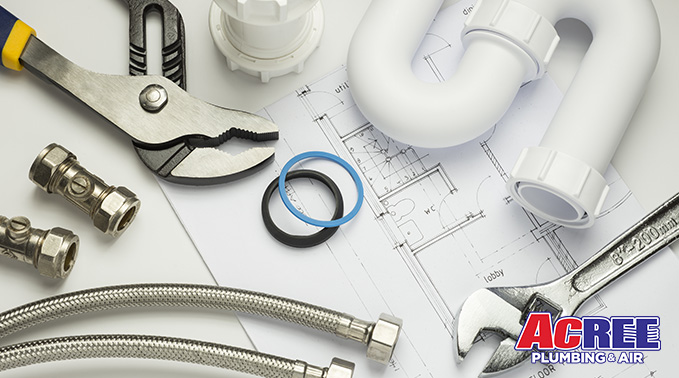
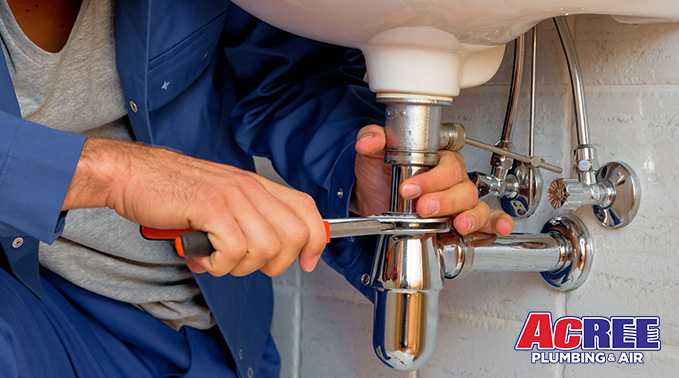
The P-Trap is a component of every plumbing fixture, whether it’s your sink, tub or toilet. Often, clogs can become trapped there and it can be difficult to remove them. You might have to disassemble the entire P-Trap and see if you can remove the clog. It’s easy to remove and disassemble the P-trap. All you need are some pliers, a bucket to catch any extra water, a flex brush and a drain snake, all of which are affordable and available are your nearest home improvement store!

4. Your Plumbing is Getting Old

If you find yourself dealing with stubborn clogs overtime, maybe the issue is the age of your plumbing fixture. Clogged drains aren’t just a nuisance—they can lead to leaks which can be very wasteful. Consider replacing the plumbing fixtures around your home with newer and more efficient models.

Have More Questions About Unclogging Your Drains? Contact the Pros at Acree!

We hope this guide helped answer your questions about why your drain cleaner isn’t working. If you have more questions about your home’s plumbing, get in touch with the pros at Acree! Call us today at (813) 703-1273 or schedule an appointment online!

How to Clean Air in Your Home with UV Lights


Certain pollutants and allergens have a higher chance of being found indoors rather than outdoors. To make sure they have good indoor air quality free of these allergens, many homeowners opt to use air purifiers. Air purifiers use all kinds of technology to reduce toxic, allergy-inducing particles in homes; HEPA filters, carbon filters and UV lights are just a few. While there is a lot that can be written about air purifiers and how you can keep your air clean, today the team at Acree is going to focus on how you can clean air with UV lights.

What is UV Light?

UV light or “ultraviolet light” is an electromagnetic form of radiation much like radio waves and x-rays. Radiated from the sun and other sources such as tanning beds, UV light can be detrimental to your skin and prolonged exposure can lead to skin cancer. It is divided up into three types of radiation—UV-A, UV-B and UV-C.

How Does UV Light Purify Air?

While UV light isn’t particularly good for you or your skin, it can help purify your air. Essentially, the UV lights rid indoor air of harmful airborne particles by destroying cells. When a UV light technology air purifier is plugged in, air is sucked into the purifier and passes through a filter, often a HEPA filter. After the air makes its way into the air purifier it passes through a small compartment containing UV-light. The UV light will then destroy the nucleic acids in the allergens’ cells, which can either kill them or stop them from performing vital functions.

What Particles Can UV Light Prevent?

UV light is especially effective in protecting your home from:

  • Mold and mildew
  • Bacteria
  • Viruses

Air purifiers with UV lights won’t be as effective in removing dust and dander particles, though some UV light air purifiers have been modified to perform this function as well.

Will I be Exposed to UV Radiation?

If your main reservation about UV light air purifiers is that you will be exposed to UV radiation, you don’t need to worry. While air purifiers will use UV lights to kill airborne mold and bacteria, you will not be exposed to UV radiation at all.

Is A UV Air Purifier Worth It?

If you are worried about mold growth in your home and you or your family members have had reactions to microorganisms such as mold spores or bacteria present in your air, a UV purifier might be what you need. With a germicidal UV air cleaner mounted in your duct system, you can rest assured that your indoor air will be far healthier and cleaner.

Have More Questions About UV Light Air Purifiers? Contact Acree Plumbing and Air!

If you want to learn more about how you can clean your air with UV lights, get in touch with the pros at Acree Plumbing and Air! Call us today at (813) 703-1273 or schedule a service on our website!

Why Is HVAC Maintenance Important?

why is hvac maintenance important

If you have asked yourself why it’s so important to have your HVAC system professionally tuned-up, or why it’s necessary to do menial tasks such as changing the filter or cleaning the coils, you’ve come to the right place. The pros at Acree are here to tell you exactly why HVAC maintenance is so important.

The Importance of Your HVAC Unit

To understand why HVAC maintenance is important, it’s vital to understand the role your HVAC unit plays in keeping your home comfortable. Your HVAC unit is one of the most frequently used appliances in your home, meaning heating and cooling are some of the highest energy expenses. If one little thing goes wrong—perhaps your filter becomes too clogged, the evaporator coil freezes or the cooling agent in your system starts leaking—you have an expensive and time-consuming problem on your hands.  Not to mention you are not getting the heating or cooling you need, which is necessary for your comfort.

Some Reasons Why HVAC Maintenance is Important

1. It Saves Money

Just by changing your filter you can reduce your unit’s energy consumption by up to 15%! Changing your filter is one of the easiest HVAC maintenance tasks. In addition to reducing energy consumption, it improves your indoor air quality and improves consistent air flow. By doing other maintenance tasks such as cleaning coils, clearing up the condensate drain and cleaning your outdoor condenser, you can prevent expensive repairs in the future. Lastly, by making sure your windows, exterior doors and ducts are well-sealed, you can prevent indoor, conditioned air from escaping. Just by adding new weatherstripping (which is cheap and easy) you are insuring that your HVAC unit isn’t working overtime to provide the heating or cooling you need.

2. It Prevents Stress

If you dedicate a day or two to HVAC maintenance, you will be saving yourself weeks of stress. By putting in some effort beforehand, you will be preventing sudden breakdowns, complicated malfunctions, panicked calls to HVAC technicians and expensive emergency repairs.

3. It Keeps Your Home Safe

Believe it or not, by maintaining your HVAC system you can keep your home safe. If you don’t regularly tune-up your unit, you might miss the leaking refrigerant lines or the cracked heat exchanger. Both can be potentially dangerous—the former is a dangerous chemical that needs to be handled professionally, the latter causes harmful gases to leak such as carbon monoxide.

4. Extend Your Unit’s Life

By maintaining your HVAC unit, you can extend your system’s life. This way you won’t have to worry about spending money on a new system or new equipment for a long time. Equipment that must work with dust and grime will wear out quickly, leading to early burnout and failure. It is smarter to spend a little more on maintenance rather than purchasing new equipment or components that won’t last long.

Maintain Your HVAC Unit with Acree!

If you want to learn more about why HVAC maintenance is important and how you can maintain your unit, get in touch with the pros at Acree! Call us today at (813) 703-1273 or schedule a service online!


Why Your Plumbing System Needs Air

why your plumbing system needs air

Air is to HVAC as water is plumbing—right? Not really. You see, the different plumbing fixtures in your home plumbing system need something called a “plumbing vent,” in order to operate properly and safely. These plumbing vents are essentially pipes that are attached to water pipes and extend from there to the outside of your home. Plumbing vents maintain the water pressure in your plumbing system and prevent excess odors. Still doesn’t make sense? Don’t worry because the pros at Acree are here to help! Read our helpful blog on why your plumbing system needs air vents to operate efficiently!

Vents Use Air to Regulate Water Pressure

As we mentioned before, the plumbing vents attached to your water pipes regulate the water pressure. This is especially helpful in waste pipes as maintaining consistent pressure in waste pipes prevents other problems such as backing up, odors making their way into your home, etc. Fresh air makes its way through the vent pipes and into water pipes so water can flow smoothly through drainpipes. Keep in mind that while vents regulate water pressure, they only do so through fresh air—there is no water in vents.

Vents also Prevent Odors

Each plumbing fixture has a trap which is a bend in the fixture’s pipe. The trap retains a small amount of water, which creates a seal and prevents from making their way into your home. The vents keep the water pressure regulated in the trap. Not only that, vent pipes also allow oxygen into the waste pipes, which break bacteria down. Lastly, vent pipes allow these sewer gases to escape outside rather than stay inside your home, leading to not only odors but drastic health effects.

Issues with Plumbing Vents

Sometimes your plumbing vents might face some problems, which can create more issues for your home’s plumbing system. One of the most common problems is a vent becoming blocked – a clogged or blocked vent won’t be able to regulate water pressure in your drainpipes. In addition, it won’t be able to keep sewage odors away from your home. Here are some signs that indicate a clogged vent pipe:

  • Gurgling sounds from your sink, tub or any drains.
  • Standing water or water that drains slowly in your sink or bathtub. Check to see if you can unclog these drains with an auger or a plunger—if these techniques don’t work, you most likely have a clogged vent
  • Odors—Since your plumbing vents are clogged, they won’t be able to keep these odors away from your home.

Learn More About Your Plumbing Vents with Acree!

If you want to learn more about why your plumbing system needs air or about plumbing vents in general, contact the pros at Acree! Our team of experienced technicians will be happy to answer your questions and assist you with all your plumbing needs. Call us today at (813) 703-1273 or schedule an appointment online!
 

Clearing the Air on Volatile Organic Compounds

If you’re a homeowner, chances are you might have heard the term “volatile organic compounds” once, either from an HVAC technician or on the internet. If you’re interested in learning more about volatile organic compounds (VOCs) from a source that isn’t a research paper with a lot of flowery language, you have come to the right place! The pros at Acree are here to clear the air on volatile organic compounds and tell you exactly what they are and what effects they can have on you.

What are Volatile Organic Compounds?

According to the Environmental Protection Agency, volatile organic compounds are essentially “emitted as gases from certain solids or liquids.” These gases or chemicals can have adverse long-term or short-term effects on your household’s health. Here are some additional facts you should know about VOCs.

VOC Facts

  • EPA’s Office of Research and Development states that about a dozen of these VOCs are 2 to 5 times higher inside homes than outside.
  • VOCs come from cleaning, disinfecting, and cosmetic products. They are also found in paints, varnishes, wax, aerosol sprays, air fresheners, pesticides, fuels and automotive products, moth repellents, glues, and adhesives.
  • Using VOCs can lead to exposure to high pollutant levels for a long period of time.

What are The Health Effects of Volatile Organic Compounds?

As you know by now, exposure to VOCs for a long time can take a toll on your health. Here are some of the reactions VOCs can cause:

  • Headaches and nausea
  • Irritation of the eyes, nose and throat
  • Fatigue
  • Dizziness
  • Some can cause cancer in animals and in humans
  • Allergic skin reaction

Keep in mind that the extent of the damage to your health depends on how toxic the organic chemicals are and the length of exposure to them.

How Can Your Prevent Exposure to Volatile Organic Compounds?

Now that you know what VOCs are and the effects they have on your health, it’s important to learn how to reduce prolonged exposure to them.

  • Ventilate Your Home

By increasing the amount of fresh air in your home, you can reduce high concentrations of VOCs. Open your windows and doors occasionally and make use of the exhaust fans in your kitchen and bathroom.

  • Buy and Store Properly

When buying products with VOCs, make sure you only purchase the amount you need. These products can release chemicals even during storage. As such, buying high amounts of these products can still bring VOCs  into your home. If you must store them, keep them in a separate area like your garage or shed.

  • Renovate When No One is Home

Set specific times throughout your day to renovate, preferably when your home is empty. Wear a mask and take frequent breaks from your home-improvement project, to prevent prolonged exposure to VOCs.

  • Follow Instructions

A lot of these products have clear instructions and warnings on how they should be used and how they should be disposed of. These labels are there for a reason so be sure to follow them.

Prevent Exposure to Volatile Organic Compounds with Acree!

If you want more information on volatile organic compounds and how you can prevent exposure to them, contact the pros at Acree! Call us today at (813) 703-1273 or schedule an appointment online!


Heating System: Repair or Replace?

repair or replace heating system

Your heating system is one of the most commonly used appliances in your home. Like most homeowners, you probably rely on it heavily to keep you warm on colder days. However, like all devices and appliances, your heating system might run into some problems. While some of these issues are easily fixable, there are other more complicated ones that require you to make a difficult decision—do you repair your unit, or replace it? If you are currently in this predicament, you have come to the right place. The pros at Acree are here to share some thoughts on when you should repair or replace your heating system.

1. Age

If your furnace is about 15 years old or your heat pump is 10 years old, you might want to consider replacing your unit. Wear and tear can cause vital components of your heating system to malfunction randomly and might even lead to a sudden breakdown. The last thing you want is your heating system breaking down in the middle of a freeze or, worse, in the middle of the night. This can cause a great deal of frustration and expensive emergency repairs. Prevent this from happening by looking at your replacement options as soon as possible and consulting with an HVAC technician you trust.

2. Frequent Repairs

You might need to pay for one or two repair jobs here and there. However, if you find yourself shelling out a great deal of money for constant repairs, you might want to consider replacing your heating system. Repairs might be less expensive and might provide a solution, but their affects might be short term. Replacing a heating system that is constantly requiring repairs might be more expensive upfront but will save you money and effort in the long term.

3. Energy Bills are Going Up

If your energy bills are increasing, you might want to tackle other problems first. Make sure your air filter is not clogged and there aren’t any air leaks in your doors, windows or insulation. In addition, make sure your thermostat is functioning properly and is at the right setting. If you have done everything in your capacity and you still find your energy bills increasing, consult an HVAC technician to get to the root of the problem. It might simply require a repair job, but it could also be that your heating system is wearing out and loosing its efficiency.

4. Old or Worn Out Components

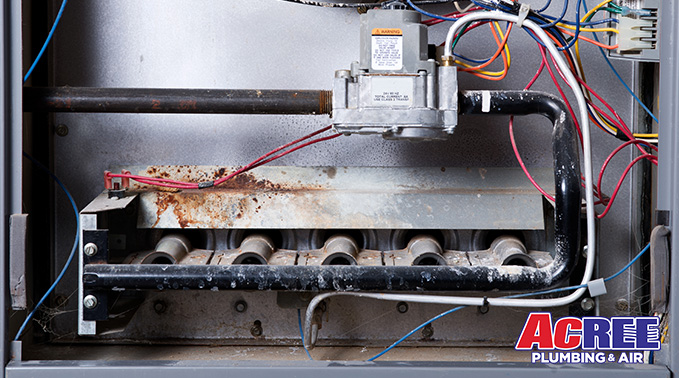
If you have a compressor or heat exchanger that is out of warranty or cracked, your first instinct might be to replace these components. This will be considered a repair job which will most definitely be less expensive. However, this way you might be spending a great deal of money to repair an old system which will be reaching the end of its life soon. It might be more cost effective to get a new, more efficient system with a new warranty.

Repair or Replace Your Heating System with Acree!

If you want your heating system repaired or replaced, look no further than the pros at Acree! Call us today at (813) 703-1273 or schedule a service with us online!

What is Wrong with My Garbage Disposal?

garbage disposal problems

Your garbage disposal is one of the most important and convenient appliances you have in your kitchen. With just a flick of a switch it will pulverize food scraps and drain them away, leaving your sink clean and ready to go. That is why if you notice any problems with your garbage disposal, it’s important to troubleshoot them as quickly as possible. To help you out, the pros at Acree have prepared a list of common garbage disposal problems and how you can fix them!

1. Jammed Disposal

One of the most common problems your garbage disposal might face is having its impellers jammed. The impellers are the blades that assist in pulverizing food scraps that you put down your disposal. To unjam your disposal, start by turning it off at the breaker box. Then use a gloved hand to reach in and pull out whatever item is jamming the impellers. If you can’t find anything, you might have to unjam the disposal from the bottom. If you look at the underside of the unit, you will notice a hexagonal shaped hole. Insert either the offset wrench that came with the disposal or any Allen wrench into the hole. Crank it back and forth a few times until you can rotate the wrench completely. If you can do that, you have managed to unjam your disposal.

2. Disposal is Leaking

Leaks can waste a significant amount of water over time, which is why it’s important fix them as soon as possible. There are three places your disposal could be leaking from:

  • The sink flange
  • Connection to dishwasher
  • Discharge drainpipe

If the sink flange is leaking, you will have to tighten down the three bolts holding down the flange to the sink. If these bolts are tight, the plumber’s putty sealing the flange to the sink might have worn out. Loosen the bolts and add new plumber’s putty to seal the flange to the sink.

If your connection to the dishwasher is leaking, you might have to tighten the hose clamp on the dishwasher hose or replace the hose entirely.

If there is a leak in the discharge drainpipe (the pipe that connects the disposal to the drain) you should tighten the bolts on the pipe. If this does not work, remove the bolts and replace the rubber gasket between the disposal and the pipe. Then install the bolts and see if it continues to leak or not.

3. Disposal is Draining Slowly

If your garbage disposal is draining slowly, there is a chance that there is a clog in the drain. Try using a mixture of baking soda and vinegar; 1 cup baking soda, ½ cup distilled white vinegar. Follow it up with some hot water and let the mixture sit for an hour or so. If the disposal still isn’t draining, try using another tool such as a sink auger.

Solve Garbage Disposal Problems with Acree!

If you want to learn more about how you can solve garbage disposal problems, get in touch with the pros at Acree! Call us today at (813) 703-1273 or schedule an appointment with us on our website!


5 Ways You Can Prevent Indoor Allergies

ways to prevent indoor allergies

According to the Environmental Protection Agency, Americans spend roughly 90% of their time indoors. This increases exposure to indoor allergens such as mold, pet dander, and ozone from air cleaners, which often have a higher concentration indoors. However, there are some steps you can take to prevent these pollutants from hanging around your home and causing allergies and illness. To help you out, the pros at Acree have created a list of ways you can prevent indoor allergies!

1. Keep the Humidity Under Control

Mold is a fungus that can easily make its way into your home through mold spores. It can usually be found in damp, humid spots around your home such as your kitchen and bathroom. To prevent mold, one of the effective things you can do is keep your home’s humidity under control, ideally between 30-50%. If you live in a particularly humid climate, consider getting a dehumidifier. You can also take other steps to reducing moisture around your home such as:

  • Using a squeegee to wipe down the walls of your shower after you are done
  • Wiping up the area around your sink to prevent standing water
  • Fixing leaks in places such as your showerhead, faucet and toilet

2. Vacuum Often

You increase the chance of allergens hanging around if you don’t clean up. Take the time to thoroughly vacuum your home every week to prevent the build-up of dust and dander. Consider investing in a good vacuum for the job such as a certified asthma and allergy friendly one—a bad vacuum can put dust back into the air. For extra cleanliness you can also mop up your floor to prevent any dust left behind.

3. Prevent Pet Dander

Pet dander is one of the most prominent causes of allergies, so make sure you prevent it from making its way into your home as much as you can. If you are allergic to animal dander, make sure your pets don’t come into your room – and be sure to wash their toys and furniture often. If you have a pet with long hair, be sure to brush and groom them consistently (while you do this, wear a mask to prevent any severe reactions ) as they might bring pollen and other allergens indoors.

4. Clean Vents and Registers

Try to clean up the dust buildup on your vents and registers often. You can either use a damp cloth to wipe the dust off or use the extendable brush attachment on your vacuum.

5. Clean Your Sheets

Dust mites can often accumulate on your bedsheets and cause allergic reactions. To prevent this from happening make sure you wash your sheets, pillowcases and blankets once a week in water heated at 130 F.

Prevent Indoor Allergies with Acree

We hope this list of ways to prevent indoor allergies has been helpful. If you want to learn more about how you can keep your home’s indoor air quality clean and allergy-free, get in touch with the pros at Acree! Call us today at (813) 703-1273 or schedule an appointment with us online!


Plumbing Maintenance Checklist for the New Year

plumbing maintenance checklist
As a homeowner, there are few things as frustrating as a clogged toilet, a leaking faucet or a loose showerhead. It’s probably even more frustrating to start off the new year (and new decade) with these problems. Prevent these plumbing issues by following Acree’s plumbing maintenance checklist for the new year. This little guide will help you tackle these problems before they become bigger – and more costly to fix.

1. Look in These Places for Leaks

According to the Environmental Protection Agency, the average household’s leaks account for nearly 10,000 gallons of water wasted per year. To prevent this from happening, homeowners should be proactive about them, especially in places where leaks are common.

  • Toilet

Toilet leaks can occur because of a variety of reasons. One of them can be caused by a deteriorated flapper, which is the seal between the toilet tank and bowl. When you pull the flush lever, the flapper lifts and water is released from the tank into the bowl. If the flapper is old, water still might be leaking through. To tackle this leak, all you need to do is replace the flapper. You can find a replacement at your nearest home improvement store.

  • Faucet

Leaky kitchen or bathroom faucets are caused by either worn gaskets, washer, o-rings or cartridges. To fix this, you will need to replace the damaged components. Make sure you know the right brand before you find a replacement.

  • Showerheads

You can fix leaky showerheads by tightening the showerhead to the shower stem. If are having difficulty securing it, use Teflon tape to tighten the showerhead further.

2. Garbage Disposal Maintenance

One of the most effective ways of practicing garbage disposal maintenance is by ensuring you don’t dump harmful items down the drain. Coffee grounds, egg shells, grease and large bones should not go down the disposal. You can also clean out your disposal by pouring half a cup of baking soda into the drain and a cup of distilled vinegar on top. After letting the mixture sit for up to 10 minutes, you can rinse it out by pouring hot water down the drain with the disposal running.

3. Check Caulking

Caulking is a sealant that stabilizes the base of a toilet, tub, kitchen or bathroom sink. However, constant exposure to water can cause deterioration. Make sure the caulking around your tubs, toilets and sinks has not worn out—if it has you might need to reapply caulking.

4. Check Drains

Make sure your drains don’t have any clogs, as blockages can cause water to drain slowly. Check your tub, sinks and disposal to see if there are any blockages. To clear out blockages near the surface of the drain opening, you can simply use a gloved hand to clear them. However, if the clog is further down the drain, you can use the baking soda and vinegar mixture we mentioned above, drain snakes or Drain-O.

Start 2020 Off with Acree!

We hope this plumbing maintenance checklist was helpful. If you have any more questions about how you can prevent or tackle plumbing problems, get in touch with the pros at Acree! Call us today at (813) 703-1273 or schedule a service with us online!


Furnace Repair vs Furnace Replacement

furnace repair vs furnace replacement

With appliances such as heaters, furnaces and air conditioners, it’s often hard to tell whether it’s time to replace them or simply repair them. You must consider the pros and cons of each as well as the up-front and long-term costs. At the end of the day, you want to be comfortable with your decision and know that you did the best for your home and for your furnace. That is why the pros at Acree have prepared a quick guide to help you figure out whether your furnace needs a repair or a replacement.

1. How Old Is It?

One of the most important things you should consider when deciding to repair or replace is the age of your unit. If your oil or gas furnace is 12 years or younger and has been properly maintained over time, then you most likely won’t have to replace it. However, if its 15 years or older, you might want to start looking for a new unit. It is better to consider your replacement options beforehand, instead of waiting for a sudden breakdown, panicking and buying a new unit without any prior research. You should also consider the fact that as your furnace ages, it might be harder to find replacement parts and components. It is better to simply get a new unit.

2. Frequent Repairs

A few repairs here and there are fine. Repairs are sometimes required with appliances in your home and, with frequent usage, it’s only natural that something needs tweaking or fixing. However, if you find yourself shelling out hundreds of dollars for frequent repairs, you might want to investigate your replacement options. Frequency of repairs and the age of your unit go hand in hand—a furnace often sees the most breakdowns in the last two years of its life.

3. Are Your Energy Bills Going Up?

If you notice a spike in your energy bills, it’s not logical to automatically assume that your furnace is on its last legs. For all we know, it might simply need its filter changed. A clean air filter can reduce your furnace’s energy use by up to 15%. If your filter has already been changed, you might need to inspect your home for air leaks and deteriorating insulation. Having a well-sealed home can save you 10% on overall energy costs and 20% on home heating and cooling expenses. If it isn’t an air leak or insulation problem, you can have a professional inspect your unit and do any necessary maintenance. Having a professional come in can prevent expensive repairs down the line.

However, if your AC has been well-maintained and there aren’t any significant air leaks or other problems, then you should consider replacing your unit. Talk to a reliable HVAC technician about your options.

Need Furnace Repair or Replacement? Call Acree!

Whether you need your furnace repaired or replaced, the pros at Acree are here to assist! Get in touch with us today by calling us at (813) 703-1273 or schedule an appointment with us on our website!