Category: Uncategorized

Will Falling Leaves Affect My Air?

Will Falling Leaves Affect My Air

We all love the changing seasons, especially when summer finally decides to give way to fall. The air is crisper and cooler, the colors get brighter, and the drudgery of the hotter months of the year finally gives way. It’s one of our favorite times of year here at Acree Plumbing & Air. One of the best parts of this season is when leaves start changing color – painting the trees in gorgeous dynamic hues. But did you know that leaves can easily impact your life at home if you’re not careful. “Will falling leaves affect my air?”  Is a question we get in the fall. The answer is “yes,” but with some dedicated attention to detail they won’t be a problem at all. Let us help explain why!

Leaves Suffocate Your HVAC Unit

Your home’s air system is made up of an indoor and outdoor component. The indoor part contains, ducts, tubes and coils, while the outdoor part is comprised of the compressor. When leaves start collecting around the compressor, this component starts to have a tougher time doing its job.

It needs plenty of space to get rid of excess air and to take in new air, and when there are too many leaves around it the compressor struggles. If your compressor has difficulty performing for an extended period, you’ll start to notice some issues around the home.

What Issues?

 For starters, you’ll definitely see a sudden uptick in energy bills. When the compressor is having trouble, it works harder — just like anything else does. And when it kicks up the power level, it will naturally use more energy in the process, leading to some higher bills than you’re probably used to.

If you’re lucky, higher bills will be all you deal with. Should you let the leaf-strangling problem go on for too long, then your HVAC system could be at risk of failing thanks to overexertion. When the system has to work too hard for too long, it reaches a breaking point, which can result in total failure and a much more expensive problem on your plate.

Any Other Things to Keep an Eye Out for?

 In addition to creating problems for your compressor, falling leaves can also block your exhaust and intake pipes, if your home has them. These pipes are outside, and leaves can easily block them, leaving your air system generally inoperable.

Thankfully, these problems are all fairly avoidable. Just take some time to rake around your intake pipes and the compressor to ensure that all the leaves around these appliances are gone. If you’re feeling extra dedicated, you can invest in a year-round cover for your compressor. It will ensure enough space around it to function properly, but also keep leaves and other obstructions well out of the way.

Acree Plumbing & Air: Your Fall HVAC Experts

 Are you as excited for the fall months as we are? With Halloween, Thanksgiving and other fun times just around the corner, we want all our Tampa neighbors to enjoy them as much as possible. Acree Plumbing & Air is committed to providing friendly expert service for all your fall heating needs. For the most reliable service in the area, give us a call at (813) 703-1273 today!

7 New HVAC Technologies You Should Know About

new hvac technologies

If your utility bills are making you sweat, and your AC isn’t cooling you down, it’s time to upgrade your HVAC system. New HVAC technologies have made systems cheaper, quieter, and more effective. Here is a handy breakdown from the HVAC experts at Acree Plumbing & Air!

1. Zoning

Zoning is a new HVAC technology that is taking off in homes and offices across the country. Zoning enables each room in your home to have a different temperature. For example, if you are hosting a party, you can reduce the temperature of your kitchen, dining room, and living room but increase the temperature of your second floor, as it won’t be used. Establishing zones in your home will decrease the demand on your HVAC unit and save you money.

2. Better Refrigerants

Refrigerants are a key part of your HVAC system: they absorb the heat and moisture from your home’s air, making it cool and dry.

R-22, more commonly known as Freon, is the refrigerant that most HVAC units were originally outfitted with. The Environmental Protection Agency discovered, however, that Freon damages the Earth’s ozone layer. Freon is now being phased out of homes and buildings, in favor of newer, better refrigerants like R410a.

3. Variable Speed Fans

In the past, the fans that distributed warm or cold air throughout the home ran at only one speed: high. These days, HVAC fans have multiple speeds to provide gentle cooling on warm days, and more intense cooling on hot days. Variable speed fans reduce the noise and energy used by your AC unit.

4. Dual Stage Compressors

Compressors are one of the most important parts of your AC system. Compressors regulate the humidity in your home and release the heat into the outside air.

Like old fans, older model compressors operate at one speed. New compressors, however, can run at high or low capacity. Installing a new model will reduce the energy demand of your HVAC system, reduce the noise produced by your unit, and better control the humidity in your home.

5. Smart Thermostats

Smart thermostats are rapidly becoming ubiquitous. These advanced thermostats enable you to schedule heating and cooling according to your family’s schedule. Some smart thermostats are wi-fi-enabled and will provide you regular energy usage reports and energy saving tips.

6. Better Ducts

Sheet metal ducts, which are common in older HVAC systems, are noisy and un-insulated. These old ducts allow hot and cold air to escape, making your AC unit work harder to bring your home to the chosen temperature.

Fiberglass, fireboard, or duct wrap usually line new ducts. These materials (new HVAC technologies) will prevent hot and cold air from escaping, and also reduce noise.

7. Better Energy Efficiency

SEER (Seasonal Energy Efficiency Ratio) measures the efficiency of your HVAC system by comparing the input (electricity) to the output (cooling or heating). With all of the above advancements in HVAC technology, the SEER ratings of new AC units are up to 25, while old units have SEER ratings of only 7 or 8.

Though upgrading your HVAC system is a huge investment, it will pay for itself in increased comfort and shrinking utility bills.

Take advantage of new HVAC technologies! Call us today! If you’re ready to reap the savings and cooling provided by an HVAC upgrade, call us at Acree Plumbing & Air today! Our technicians will walk you through the many different modern aspects of up-to-date HVAC units, and we’d be glad to answer any questions you have.

Give us a call at (813) 703-1273 today!
Foolproof Ways to Keep Your IAQ in Check

ways to keep your iaq in check

You alternate what your home’s HVAC unit is doing throughout the year, but one thing is critical to keeping a healthy home: maintaining ideal indoor air quality. No matter if you’re cooling or heating your home, there’s still air circulating through your home and making sure it’s clean is critical. Instead of wondering how the different things you do at home will affect your indoor air quality, let us do the hard work for you and help out! Here are a few foolproof ways to keep your IAQ in check from the air quality experts at Acree Plumbing & Air!

Clean Sheets Often

One of the places that contains a lot of airborne contaminants is a place you spend a decent chunk of your day, every day: your bed. Think about it – you lay there for several hours day in and day out, and all the things on your skin are just… there. They accumulate, and they’ll eventually start to infect the air.

Maintaining a rigid linen-cleaning schedule is imperative. You’ll keep yourself and your air clean – not to mention freshly cleaned sheets feel great!

Pet Problems

Our furry friends are terrific members of the family to have around the home, but some of them shed quite a bit. They can’t help it, but that just means you’re responsible for making sure their hair gets cleaned up before it becomes an air quality issue.

Because if you leave dander and pet hair around your home, allergens will take root and grow. Eventually they will dramatically affect the quality of your home’s air, which leads to health problems. Be sure to clean up stray hair and other results of shedding before it’s too late!

Pick Out Some Plants

Did you know houseplants serve a purpose beyond just looking nice and adding a splash of green to your home? Well, they do! Some plants actually soak up harmful chemicals and pollutants from your home, giving your home a breath of fresh air – literally!

– English ivy, Bamboo palm, Tillandsia, Azalea and Aloe plants are all great at improving the indoor air quality of your home. Introduce a few of them to your living space, and you’ll be helping yourself out in addition to providing a fresh new update to your decoration!

Be Sure to Ventilate

Ultimately one of the most effective strategies for cleaning your air is to make sure your home is properly ventilated. Keep your air filter clean, make sure you open your doors and windows every now and then, and always remember to smoke outside.

Get a Comprehensive Indoor Air Quality Solution Today!

Whether you’re on the lookout for a way to get your home’s humidity in check or want a fresh change to eliminate more allergens from your air, managing your IAQ isn’t a one-step process. You need someone dedicated to helping you get a long-term handle on it, and with Acree Plumbing & Air, that’s just what you’ll get!

Give us a call at 800-937-6736 to find out how today!

Troubleshooting Your Icemaker

troubleshooting-your-icemaker

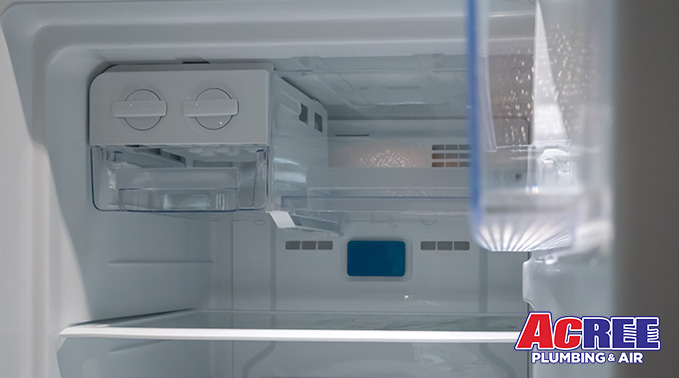
For all the advantages we enjoy from having modern appliances in our homes, every now and then these fancy contraptions still break and need fixing. From our HVAC units to the phones in our pockets, everything will eventually need repair. One particular example is the icemaker in the refrigerator. Icemakers work most of the time – even if they spook us when they shoot out an ice cube in the middle of the night when it’s dead quiet – but they’re not perfect.

Troubleshooting your icemaker can involve a handful of different things, so we’ll tackle just a couple instead of listing every potential problem. If you’ve got any of these issues with your icemaker, see if the following tips help. And of course, give us a call! We service all kinds of icemakers and would be honored to handle yours too.

No Ice

Here’s the problem we encounter the most often. Icemakers are obviously supposed to do one thing: make ice. When they don’t, you’ve got every right to be annoyed. When troubleshooting your icemaker for this problem, here’s what to do:

  • Check the bail arm. This is the metal arm in your icemaker that tells the unit when to stop making ice. Is it up? If so, then it’s in the “off” position – push it down.
  • Look at the water supply line. The small water line underneath the refrigerator that leads to your icemaker can get clogged, and since it’s so small it can also kink up or get pinned. Make sure it’s connected correctly!
  • Adjust the thermostat on the refrigerator. If the component controlling the temperature of your refrigerator is too cold or hot, then you’ll obviously run into some issues. If it’s too cold, then the water freezes earlier than it should – and if it’s too hot, then the water won’t freeze into ice at all.

The Ice is Dirty

Sometimes the icemaker is functioning normally, but the actual ice itself tastes dirty or otherwise unpleasant. When you’ve got dirty ice coming out of the icemaker, it’s time to clean it. Replace the water filter and/or clean the icemaker itself, and you should be good to go.

Not Ejecting Ice into the Tray

If your icemaker doesn’t have any obvious problems – at least ones you can see – then there might be a mechanical problem. When ice isn’t going into the tray, the ejector arm could be malfunctioning, among other things. When you’ve eliminated all other possibilities, give a technician a call to come in and take a look!

Acree Plumbing & Air: Solving Icemaker Problems Across Tampa

Icemakers are notoriously problematic, and when yours is on the fritz you don’t have time to deal with yet another annoying task to handle. Just give us a shout, and we’ll be there in no time to fix yours up and have your icemaker up and running.

Give Acree Plumbing & Air a call at (813) 703-1273 for the most reliable and friendly service in Tampa!

4 HVAC Tips to Prepare for Fall

hvac-tips-to-prepare-for-fall

The summer seems like it will never end, doesn’t it? The hot temperatures and the high levels of humidity are seemingly ever-present here in Tampa, and we know how ready you are for it to cool down and chill out. But although summer won’t be around for too much longer, do you have your home’s heating and cooling unit ready to handle the fall?

Your HVAC unit has been chugging along for a few good months now, and it’s time to switch gears a bit and prepare for colder weather. Here are a few HVAC tips for prepare for fall from the friendly folks at Acree Plumbing & Air!

Replace Your Air Filters

Like we said, your AC has been working overtime for the better part of the year while it does everything it can to keep you and your family cool and comfortable. But even if it hasn’t suffered any mechanical problems, it needs a rest! Hopefully you’ve been keeping a regular air-filter-switching schedule, which usually runs around every 30 days or so.

But as you’re gearing up for the fall, it’s a smart idea to go ahead and swap out your air filter one more time to give your HVAC unit a fresh start as it switches functions.

Look for Any Air Leaks

We’re all in the business of trying to save as much money as possible, especially on energy bills. However, even if you take proper care of your thermostat and HVAC unit, you can still lose a ton of energy efficiency if you have any leaks in your home. Check around windows and doors — if you feel any airflow coming through a gap in them, then you’ve got a leak.

A simple weather-stripping installation should do the trick to eliminate those drafts and keep your home airtight. Once you fix these, you’ll notice a drastic increase in energy savings!

Clear Out the Condenser

Your outdoor unit is called the condenser, and it’s the big metal box that is probably situated on a concrete slab just outside your home. Its job is to get rid of cool/hot air and send it into the atmosphere outside, depending on what setting your HVAC unit is on. This unit needs space to operate correctly, and things like branches, grass clippings and other debris can restrict airflow and make it harder for the condenser to work correctly.

Take a few minutes to clear out a 5-foot radius from your condenser just to be safe. Your energy bills will thank you for it!

Schedule a Tune-Up 

Although the other tips are helpful, they can only go so far. A professional inspection from a technician who has been trained and has experience in treating HVAC units will be better than anything else you could do yourself. They’ll go over every inch of your system, checking for problems and tiny issues that you wouldn’t notice unless you knew what to look for.

By inspecting and tuning up your HVAC unit, a technician will stop smaller problems in their tracks, well before they can spread and become more expensive and damaging!

Acree Plumbing & Air: Tampa’s Trusted HVAC Experts

An HVAC unit that is operating at maximum efficiency in the fall is crucial. It means that you won’t have to worry about staying warm when temperatures drop, and it’ll ensure a seamless transition to the latter part of the year. Follow these HVAC tips to prepare for fall, and you’ll be warm and comfortable when the temperatures drop!

With Acree Plumbing & Air, you’re getting a team that is dedicated to providing reliable, honest service that we are proud of. We treat your home like our very own, and we won’t rest until you and your family are totally satisfied.

Give us a call at (813) 703-1273 for more information about how we can get your HVAC unit ready for fall today!

Why Geothermal Systems Work Year-Round

why-geothermal-systems-work-year-round

The list of different ways that you can control the climate in your home has grown, and in 2019, that list is quite extensive. You’ve got more options than ever, and while it may be tiring to think about the different choices out there, it may be beneficial to consider going a different route than a traditional HVAC unit.

One of those is through a geothermal heating and cooling system. It utilizes a totally unique method of regulating the temperature in your home, and plenty of homeowners have already switched to this. And don’t think that geothermal systems are just limited to cooling your home in the summer – they work around the clock, and the experts at Acree Plumbing & Air will tell you how!

How Geothermal Systems Work

Unlike traditional HVAC systems, which function by cycling outside air through a series of tubes and pipes in your home, a geothermal system moves the base of operations outside – and underground. This system includes a series of pipes installed beneath the earth where the temperature is relatively stable.

The pipes, which go back to your home, contain refrigerant-like liquid that absorbs heat. When you heat your home, the liquid gathers the heat from the ground outside and travels to the heat pump in your home, where the heat is dispersed throughout your ducts.

But here’s the cool part: when you want cooler temperatures in the summer, the process is reversed. The air in your home is absorbed instead, and it’s taken to the ground outside and released.

Are There Differences in Geothermal Systems?

There are! Geothermal systems, while still all the same general idea, can be categorized into two types of operation: closed-loop and open-loop.

  • Closed-loop systems utilize the method that we described earlier. Tubes carry a liquid from your home to the ground outside and return once that liquid has either been heated or cooled, depending on the time of year. Closed-loop systems are more common, and they’re what you’ll probably get if you have a geothermal system installed.
  • Open-loop systems rely on a nearby reserve of groundwater to heat and cool your home. They pull the water in and heat or cool it, move it through your heat pump where the air in your home is warmed/cooled, then keep the water moving to a separate point where it is dumped. Pollution-free, of course!

You can also install either horizontal or vertical loops. Horizontal loops are what you’ll get most of the time. They’re better for residential systems since they’re cheaper to install, whereas vertical loops require much deeper holes and thus are more expensive.

Discover the Benefits of Geothermal Systems with Acree Plumbing & Air

Geothermal systems can be extremely beneficial for you and your family – they offer significant savings on energy costs thanks to the natural temperature of the ground, and they last quite a long time without needing to be replaced.

For more information on how a geothermal system could be right for your home, get in touch with the professionals at Acree Plumbing & Air! We’ll help you figure out what works best for your situation and provide advice you can trust.

Give us a call at (813) 703-1273 today!

What Is the Difference Between Hard and Soft Water?

We all have water in our homes. When we turn on the faucet in the kitchen, when we hop in the shower, when we load up the dishwasher – a source of running water is vital to our wellbeing. But did you know that water isn’t all created the same? Depending on certain factors, water can be classified into one of two things. But what is the difference between hard and soft water, and does it matter?

The team at Acree Plumbing & Air is here to help! Let us explain the differences between the two, and hopefully we’ll be able to give you a better sense of what you and your family need.

It’s in the Minerals

We’ll just cut right to the chase. When you get down to it, the only difference between hard and soft water is the amount of minerals in the water. Hard water contains much higher levels of calcium and magnesium, giving it a higher rating on the hardness scale.

But knowing what separates the two will only help so much. Each type of water can help and harm your household in different ways, and we’re going to break them down.

  • Pros of Hard Water: Hard water provides minerals that are essential to healthy living, and these minerals will make the water taste better.
  • Cons of Hard Water: However, the minerals in hard water create detrimental effects for your appliances and can make life frustrating. Hard water leaves behind residue – known as soap scum – and the minerals can leave behind sediment which reduces your appliances’ efficiency and can shorten their lifespans. It also makes it harder to clean with, because hard water counteracts the agents that make soap work.

What About Soft Water?

That probably makes it sound like hard water is awful, point-blank period, but it isn’t all bad news. Hard water has its benefits – mainly for your health. The added minerals are great for you, but that might not outweigh the negatives. Soft water, on the other hand, is generally preferable.

  • Pros of Soft Water: Soft water doesn’t have magnesium and calcium in it, but it’s less likely to leave behind residue and to clog up your pipes. It’s not necessarily healthier than hard water, but both types are perfectly safe to drink, so you don’t need to worry about that.
  • Cons of Soft Water: As we said, soft water’s negatives generally revolve around the lack of minerals it contains. If that’s important to you, then you could easily purchase supplemental versions of magnesium and calcium or incorporate those into your diet. Other than that, soft water is widely regarded as better for you and your home.

Need Water Filtration Help?

Ensuring that you and your family have access to the cleanest water available is vital. Whether you want to clean out the minerals from water or just want to ensure your dishes and clothes are being cleaned with the right type of water, Acree Plumbing & Air is here to help.

Give us a call at (813) 703-1273 for the most reliable service in the Tampa area!

How to Replace Your Air Filter: A Step-by-Step Guide

how to replace your air filter

You probably know how important it is to change your unit’s filter – but if you don’t, then let’s fix that! Any HVAC technician will confirm that changing your filter regularly is key to maintaining the efficiency of your unit, and the quality of your home’s air.

But, how do you actually change your filter? Most guides skip steps and assume you have the knowledge of a professional. That’s not the case for all homeowners. Let’s take it from the top: here is a step-by-step guide to changing your unit’s air filter from the experts at Acree Plumbing, Air & Electric!

  1. Turn the HVAC Unit Off

The first step to changing your unit’s filter is turning the system off. There are two places you must go to fully shut off the system.

  • First, turn your unit off at the thermostat. Each thermostat is a bit different, so follow the options displayed to turn off all heating and air conditioning.
  • Then, go outside and find the circuit box near the big unit outside. The box is usually located close to the unit. Find the power for the external unit and switch it off.
  1. Find the Filter

The next challenge is finding the filter. There are a few ways to do this, depending on the unit.

  • All furnaces work the same way: air is brought in from the outside, is pushed through a filter, then distributed to the home. Look at your unit and identify the ducts that connect to the outside and the ducts that connect to the inside. The filter should be in the unit, between the intake and outtake ducts.
  • If you have a large vent on the wall, the filter is likely located behind the grille (front plate) of the vent.
  • If your HVAC system is in a closet, the filter is in the air handler cabinet: a small box with sheet metal walls.
  • If your HVAC unit is in an attic or basement, you should find a small filter rack with a door between the furnace wall and return box, which is walled with sheet metal.
  1. Remove the Filter

Once you have found the filter, you must remove it. Whether the filter is behind a cabinet or a grille, you will have to remove several screws to access it. Be sure to place these screws in a box or bag where you won’t lose them. Remove the filter from its location carefully.

  1. Identify the Filter

While you have the filter in hand, take a moment to note the filter’s dimensions, brand, rating and model number so you purchase the correct filter.

  1. Wash the Cabinet Cover

Before replacing the filter and re-fitting its cover, be sure to wash the grille or cabinet door. You can vacuum dust clods away or clean the covers with warm soapy water, and removing this excess dust will extend the life of your filters!

  1. Wash or Replace the Filter

If your HVAC filter is washable, first remove the excess dirt from the material. Then, rinse the filter under warm water. Use a mild detergent and a soft brush to wash off the dirt and dust. Finally, shake the excess water off the frame. The filter will dry completely once reinstalled in the unit. If you do not have a washable filter, simply purchase the filter you need from a hardware store.

  1. Reinstall the Filter

Replace the filter in the unit. Pay attention to the arrow found on the side of the filter — this shows what direction the filter should face so air flows properly through the material. Finally, secure the grille or cover with the original screws.

Need more tips on how to replace your air filter? Call us today!

Replacing your air filter is one of many ways to increase the efficiency of your HVAC unit and the air quality of your home. If you need to repair or replace your HVAC unit, let the heating and cooling experts at Acree Plumbing, Air & Electric handle the hard work for you!

Give us a call at (813) 703-1273 today for the most reliable service in the Tampa area!

4 Easy Ways to Save Money on Your Energy Bills

ways to save money on your energy bills

It’s always important to do what you can to save money, and an area where we usually find ourselves spending more than necessary is on cooling and heating. However, with just a few handy tips and tricks from us here at Acree Plumbing & Air, you’ll be able to reduce your costs dramatically. Here are 4 easy ways to save money on your energy bills!

Adjust the Temperature – Just a Bit

We like to keep the air conditioning pretty cool here in Tampa, and we’d be crazy not to! With the humidity and high temperatures, a properly functioning AC is essential here. But while frigid indoor temperatures feel good, they often come with a high cost.

The best way to help address that is by making a small adjustment to your thermostat settings. It seems counter-intuitive to raise your temperature when it’s hot, but even a few degrees will make a noticeable difference in your energy bills. If you’re used to having your thermostat at around 70, then move it up to 71 or 72 and see if you can still live comfortably. If so, you’ll already be making a big step toward lower bills!

Wash Clothes Efficiently

Washing clothes whenever the clothes hamper is full is convenient, but it wastes a lot of energy. Every time you run the washing machine, you use electricity to run the water — and even more so if it’s on a hotter cycle. If you combine loads and knock them all out at once, you’ll start washing more efficiently.

To take your efficiency to the next level, try to wash clothes at night when the electrical grid isn’t being used as much. You’ll put less strain and burden on it, lessening the energy requirements!

Change Air Filters On Time

That’s right, changing air filters does more than just keep your air clean. Think about it: when the filter is clogged after not being changed in a while, it’ll be harder for the AC to get air through and into your home. When it’s working harder, you’ll end up paying for it on the back end when the bills come in.

What Type of Air Filter Should I Get?

Be sure to maintain a strict filter-changing schedule to ensure that your air is clean and the AC is able to perform its job efficiently.

Use Natural Cool Air

There are other ways to cool your home besides the AC. Something called “Texas Cool,” which is when you open the windows in the morning and at night when the temperatures are cooler outside, is a good way to create a colder environment without paying for it!

Acree Plumbing & Air: Your Energy-Efficiency Experts

The Tampa summers are long, hot and humid. Whether you’re in the market for a set of energy-efficient appliances or just need some pointers to help your fussy AC start working properly, we’re the ones to call! At Acree Plumbing & Air, our highly trained technicians will do whatever they can to make sure you and your family enjoy the comfortable home you deserve.

Give us a call at (813) 703-1273 to see how we can help!

When You Should Have Your Ducts Cleaned

when-you-should-have-your-ducts-cleaned

Although we might associate the thermostat and HVAC unit with the bulk of the AC system in our homes, we can overlook another important component: the ducts. Ducts are what carry the fresh, clean air throughout our home, and when they’re struggling, you and your family will notice the effects.

They, like other appliances and equipment, will clog and get dirty. But knowing when you need to do something about it isn’t always easy or clear. Don’t worry, though. The indoor air quality experts at Acree Plumbing & Air are here to help you, so you’ll know when you should have your ducts cleaned.

Unusually High Health Problems

One of the more immediate issues that dirty ducts cause is a higher number of health problems. The dirty air leads to respiratory conditions that wouldn’t usually occur at your home. An uptick in coughing, sneezing or other symptoms of allergies are good indicators that your ducts have been compromised.

If it’s the time of year when you and your family wouldn’t usually be experiencing these conditions but you’re dealing with them anyway, your ducts could be to blame.

Infestation of Vermin

It goes without saying, but pests aren’t welcome in your home, let alone the ducts where the air you breathe cycles through. When pests, vermin and other intruders have taken up residence in your ducts, you’ll probably encounter some irritating respiratory problems in addition to having an unwelcome visitor (or visitors).

When you suspect a vermin infestation is to blame, let a professional remove them and get your ducts back in working order. You never know what these pests are carrying, so it’s best to let an expert get rid of them.

After Home Projects

Remodels are exciting, and it’s a lot of fun to watch something you dreamed of come to life right in front of your eyes. But all of that work involves lots of wood-cutting, which means a lot of sawdust will settle in your ducts.

If you’ve just completed a remodel in your home, cleaning your ducts is a good idea, if only to flush the fresh sawdust out before it sticks around for too long.

When You Suspect or Identify Mold

Any time you think your home has begun to suffer from mold growth, it’s a good idea to get your ducts professionally cleaned. Mold tends to take root and spread when it finds a spot that is dark and damp, and your ducts fit the bill.

At the first sign of mold, we recommend putting in a call to an expert who will clean your ducts. You’d rather be safe than sorry, and letting mold stick around for too long is a bad idea.

Acree Plumbing & Air: Duct-Cleaning Experts in Tampa

Whether you’re concerned about your indoor air quality, you’re beginning to think about getting your ducts cleaned or you just want some more information, we’re here to help. Acree Plumbing & Air is made up of a team of trained experts who can help restore your home’s air back to the crisp and clean level you and your family deserve.

Give us a call at (813) 703-1273 for more info!