Category: Uncategorized

DIY Air Conditioning Maintenance

Your A/C unit is vital to maintaining the comfort and livability of your home, especially during the summer months in an area like Tampa, where the humidity can make an A/C-less home a nightmare. A serviceable, reliable unit isn’t even considered a luxury in the area; it’s a necessity, and having one peter out unexpectedly is something you’ll want to avoid at all costs.

Instead of crossing that bridge when you come to it and being forced to shell out hard-earned money to pay a technician to repair the entire unit, you can take some fairly simple steps at home to ensure your unit stays in tip-top shape. Acree Plumbing & Air has a few DIY tips you can follow to regularly check up on your A/C unit, which will hopefully keep it running without a hitch and keep it from deciding to clunk out when you least expect it. You’ll stay cool, you’ll save money by keeping its efficiency up, and you’ll keep it running longer. A win-win-win!

*But First*

  • Before you get anywhere near the inside of your unit, shut off the power – accidentally having the fan blades spin while you’re working on it… wouldn’t be good. You can switch it off either by flipping the breaker itself or turning the switch off near the condenser. Actually, go ahead and do both. Better safe than sorry.

Cleaning the Condenser

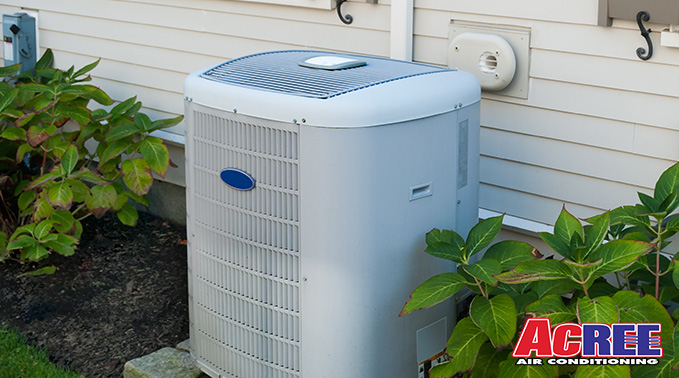
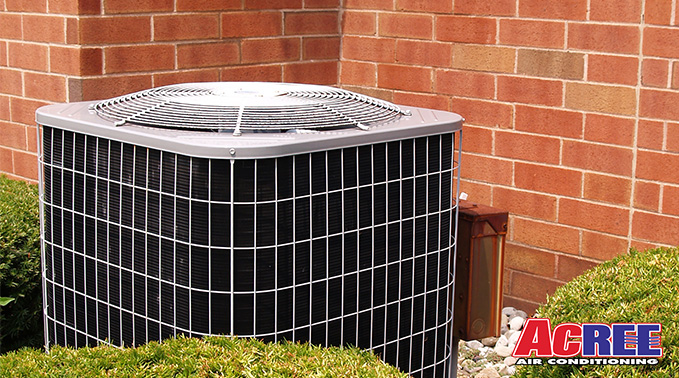
  • Grab a screwdriver, pry open the fasteners on the grill covering the fan and flip it open. Once inside, you’ve got free reign to clean the blades and vacuum out all the debris that may have accumulated on it. Clean the fins in the radiator as well by gently using a hose from the inside – don’t use a pressure washer, which will damage the malleable metal fins.

Replace the Filter

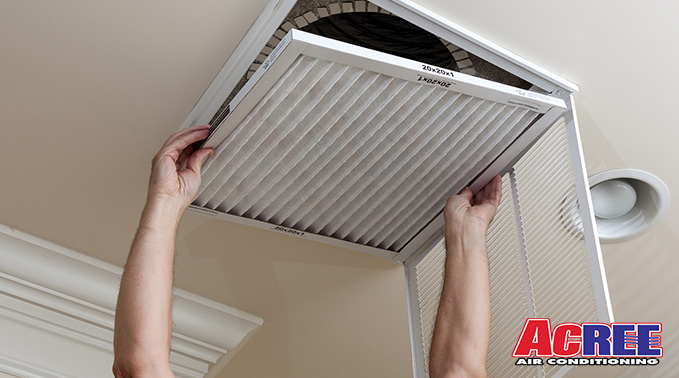
  • Every few months, replace the filter in the unit – you’ll keep the air flowing well and ensure the air quality remains high. The slot for the filter should be inside, right where the air-return duct links up with the main unit. Be sure to get a new filter that has the same rating as your previous one.

Evaporation Component-Cleaning

  • Brush off the evaporator coils above the blower motor and apply some coil cleaner to them. The cleaner will drip into the evaporation drain pan below, which you should also clean off with some soap and water.
  • Pour a bleach/water mix down the drain. If it funnels out properly, you won’t need to do anything to the drain. But if it’s not, there’s probably some algae growing in there that has clogged it up. Find where the drain empties out – usually a small, neutral-colored pipe – and attach a vacuum hose to it.

A Few Extra Ways

These last few boxes to check off don’t require as much mechanical know-how, but they can help just the same.

  • Is the A/C level? Over time, it can start to tilt when the soil underneath settles and forms around it, and your unit can start to underperform when everything gets out of whack. Even it out, fill the space with dirt or shims, and you’ll be back in business.
  • Check the electrical components. Is everything secure? Are the wires frayed, or are there signs of overheating? It might be time to get them fixed or replaced.
  • Clear out the space surrounding the A/C. Branches, leaves and any obstructions close the unit can hamper its effectiveness, and certain darker conditions can be a breeding ground for pests.

Hopefully these tips can help you keep your A/C unit running smoothly and dodge any costly repairs. By following this loose schedule of routine maintenance, you’ll save energy, money and time in the long run, keeping you and your family happy and comfortable as we inch closer to the doldrums of another Tampa summer. However, if something beyond your control does unfortunately happen to the unit, the professionals at Acree Plumbing & Air are equipped to handle every aspect of A/C maintenance, and we’d be glad to help you out. Give us a call at (813) 703-1273 today and let us take care of it!
Should I Get My Ducts Cleaned?

Ugh, there’s another one! You’ve coughed again, for what seems like the hundredth time today. It’s not usually like this, and you’re convinced something’s up. Is it allergies, something in the air your body isn’t used to dealing with, or something more? After exhausting all your other options, it might be time to consider having your ducts cleaned. Before making a decision one way or the other, you’ll need to decide if having a professional come out to your home and perform a thorough duct-cleaning service is worth it.

To make that decision, though, there are a few things you’ll need to keep in mind. We at Acree Plumbing, Air & Electric have a few guidelines to follow when deciding whether or not it’s worth getting your air ducts cleaned. If it is, give us a call: we offer comprehensive duct-cleaning services and can handle the entire process without you lifting a finger!

When Duct Cleaning Isn’t Useful

Contrary to popular belief, you *don’t* need to have your ducts cleaned if the only concern you have is that your home is slightly dirty. According to the EPA, there are a few misconceptions about duct-cleaning that need to be cleared up.

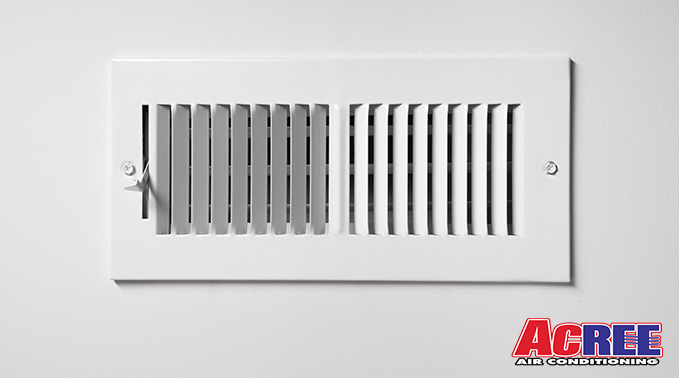
  • Duct cleaning doesn’t prevent health problems. A significant portion of dust particles in air ducts don’t actually exit the vent; they prefer to hang on to the harder surfaces instead of filtering out into the open. Logically, if your air vents are coated in layers of dust, you’d assume that indicates a buildup of dust in the air ducts as well – that’s not the case, however. Vents just accumulate dust over time and dirty ones shouldn’t be seen as worrisome.
  • Having dust in your ducts doesn’t increase particle levels, nor does it pose a risk. It’s absolutely normal to have (lightly) dirty ducts. The particles from cooking and smoking can cause far more harm than dirt hanging out in your ducts.

When It Is

So, you probably shouldn’t consider having your ducts cleaned if they’re simply dirty. Dust is a normal occurrence in air ducts — given that their job is to funnel air into your home — and having it congregate up there isn’t going to make a huge difference in the air quality you’re experiencing. However, if you notice some other, more pronounced inhabitants in your air ducts, then it’s probably a good idea to have them cleaned.

  • Visible mold growth: Humidity and moisture are something we have to deal with every day here in Tampa, and if moisture accumulates in hard air ducts, it can be a breeding ground for mold. The presence of mold can lead to harmful effects to your health, so it needs to be remedied as soon as possible. However, there exists the possibility that the moldy substance could simply be something that strongly resembles mold; sending a sample of it to a laboratory for confirmation could save you money and keep you from mis-diagnosing the problem. If mold is present, be sure to correct the environmental factors that led to its growth in the first place, otherwise it’ll just return later and you’ll have to repeat the removal process again from the beginning.
  • Vermin or significant clogging of debris: If either (or both!) of these conditions are present, you’ll definitely need to have your ducts cleaned. They’re both things that exist outside of the normal wear-and-tear of airflow, and they can permanently affect how your ducts function.

Really, the decision to have your ducts cleaned boils down to whether you feel there’s something specifically outside the realm of regular function going on in your air duct system. Otherwise, you’re probably better off leaving them alone. However, if it’s been awhile since they’ve been cleaned, ordering a full duct-cleaning service isn’t going to harm your system or be detrimental – and if it gives you peace of mind, then go for it!

If you do decide to have your ducts cleaned, give the professionals at Acree Plumbing, Air & Electric a call at (813) 703-1273 and schedule a consultation with one of our air quality experts about your air conditioning duct-cleaning options today!

Why Refrigerant Leak Detection is Important

A home’s air conditioning unit is important no matter where you live, but it’s especially crucial in a hot, humid climate like Tampa. As we wade into the spring and eventually transition to the muggy summers of Florida, you need to stay aware of how your A/C unit functions. Learn what signs to keep an eye out for should something go awry. One problem to be ultra-alert of is something that can creep up on you. It festers for a while before you’re even aware it’s happened: a refrigerant leak.

If the coils powering the cooling unit in your A/C break or spring a leak, the consequences can build up for some time before you even know anything’s gone wrong, depending on the severity of the leak. What signs you should look out for, as well as what steps you can take to prevent them in the first place, are good pieces of knowledge to have in your back pocket so you can stay a step ahead. If you suspect there might problem – or if you’ve found one and want to know the next steps – the experts at Acree Plumbing, Air & Electric are equipped to handle any and all problems with your refrigerant leak without any hassle.

Identifying leaks

Your A/C unit is a self-contained cycle involving a handful of intricate pieces of machinery both inside and outside your home, but a critical component is the set of coils that house the refrigerant – the liquid that eventually becomes the cool air you feel.

When the coils that hold refrigerant pop holes or crack, the refrigerant begins to leak out; however, the crack might not always be able to spot right away.

You could hear a hissing sound, or you might notice the thermostat needs a significant amount of over-adjustment to reach a temperature it didn’t usually require before. The coils could have ice forming on the outside, or the vents inside might have stopped blowing cold air.

Importance of Spotting Leaks

It’s vital to identify and repair any leaks in your A/C unit early. The benefits vast outweigh the short-term burden of paying to have them fixed, and you’ll be kicking yourself down the road if a smaller leak grows larger and becomes a serious issue.

  • Savings! – When refrigerant leaks, the A/C unit has to kick into overdrive to compensate for the loss. As a result, your energy bill is going to spike to match that extra work.
  • Environmental factors – An improperly charged unit becomes much less energy-efficient, and the carbon dioxide emissions contribute greatly to the greenhouse effect. By getting ahead of refrigerant leaks, you’re helping out the environment!
  • Prevents damage – If an undiagnosed leak flies under the radar, it can gradually become something that can cause significant damage to your home. Water that freezes due to the leak can thaw and seep into the rest of the house and wreak havoc.

Methods for Repairing Leaks

Luckily, there are a few ways to fix a leak, depending on what factors are present in your system.

  • Bubble solution – Soap placed at the point of a suspected leak can bubble up when refrigerant is expelled into it, although this doesn’t work with every type.
  • Electronic Detectors – Split into two types: Heated-diode sniffers and corona-suppression.
  • Halide torches – The flame on the torch will turn from red to green if exposed to the chlorine elements present in the expulsion of refrigerant; keep in mind that not every refrigerant has them, though.
  • Fluorescent dye – Placed inside the A/C cycle and mixes with the refrigerant. If there’s a leak, the dye will show up again. It gets scanned, leaving a trail for the technician to follow to the source.
  • Ultrasonic Detectors – Use special types of microphones to listen to a sound – inaudible to human ears – that the refrigerant leak will make.

Regardless of how the leak is found, it’s critical to spot it in the first place. By doing so, you save money, time and further damage from rearing its head. If you suspect a leak might be present in your A/C system, take the first step in efficient, long-lasting quality refrigerant service and give the experts at Acree Plumbing, Air & Electric a call at (813) 703-1273 today. We’ll have someone come take a look!

Tips for a Healthy Winter IAQ

Although we don’t see any major snow storms here in Tampa Bay, winter still comes with chillier temperatures that at times make everybody want to stay at home snuggled under a blanket. But while we close up all the windows and stay cozy indoors, it is easy to neglect our indoor air quality.

Without enough ventilation, harmful pollutants can become trapped inside your home. Asthma, allergies, and contagious illnesses can flare up thanks to these indoor air pollutants. At Acree Plumbing, Air & Electric, we care about your air quality. Most importantly, we care about your respiratory health and overall well-being. Here are some tips to help you maintain a healthy IAQ during the winter months.


  1. Keep an eye on your air filters.

Air filters are a defense mechanism for air pollutants trying to invade your home. As your HVAC system passes air through the filters, airborne particulates collect on the filter instead of floating into your home. But if they become too dirty, air filters can clog up and make your indoor air quality worse instead. Changing air filters regularly prevents this from happening. Make sure to secure the filter tightly during replacement, eliminating any gaps where unfiltered air could sneak through.


  1. Pay attention to humidification.

Humidity levels can impact not only the quality, but also the comfort or the air in your home. Too much moisture, and you might see some mold growth. Too little moisture, which is a more common problem in the winter months, and the dry air can cause an array of health issues. Most significantly, it can dry out and inflame the mucus membrane inside your respiratory system, which makes your body more vulnerable to airborne illnesses. The best range for humidity levels inside your home is between 30 and 50 percent.


  1. Consider adding exhaust fans or a central ventilation system.

Keeping the air in your bathrooms and kitchen well-ventilated and free from unwanted moisture is easy with exhaust fans. Ducted through the roof, they can remove harmful vapors quickly and efficiently. If you really want to keep your air moving, in addition to local ventilation like exhaust fans, you can add a central ventilation unit. An HVAC professional can help equip your home with a balanced system.


  1. Purify your air.

Ask an HVAC technician about air purification options. These can be installed into your central air system directly, and they can have a drastic impact on your air quality using innovative technology. In UV air cleaners, an ultraviolet lamp emits rays of light that are powerful enough to destroy air pollutant germs.


  1. Get some house plants.

Time to exercise your green thumb. Believe it or not, certain house plants can actually change the content of your air and remove toxic substances. Check out this list of air filtering plants compiled by NASA. Pay attention to each plant’s toxicity if you have any pets.

With winter temps keeping Tampa residents indoors more often, keeping up with indoor air quality can be tricky. But with so many helpful HVAC adaptations, staying healthy during winter can be a breeze.

If you are uncertain about the indoor air quality in your home, contact Acree Plumbing, Air & Electric and schedule a consultation at (813) 703-1273.

Why Are HVAC Filter Ratings Important?

We seek cleanliness in our society. There is a plethora of videos on the web about how to organize and clean your home. So it should only make sense that we would want clean air as well as a clean surface in our Tampa homes! When the professionals at Acree Plumbing, Air & Electric think of air quality, the first thing that comes to mind is the air filter in your heating and cooling system. It’s not only healthy for you; it’s also healthy for your HVAC unit as they keep dust from getting into your system! There are many different types of air filters and different ratings that go with them.

So what difference does the rating make?

The rating is categorized from 1 to 16 on the MERV (minimum efficiency reporting value) scale. This number is determined by comparing the filter’s efficiency to the particle size it can capture. The higher the MERV’s number goes up, the more particles it can catch at higher efficiencies.

For the average person, this may not make much of a difference unless you deal with pet dander or allergies. However, higher rated filters are beneficial health-wise to those who are chronically ill, have respiratory conditions, or live with family members who have health issues.

Here we’ll take a look at the full range of filters and effects the ratings have on performance.

The Range of MERV Ratings

6-8:

These are the bare minimum but also the cheapest options. They catch only a fraction of the largest particles, dust and debris, from your air. Mostly this filter is there for the protection of your HVAC system, with the added bonus of not circulating most of the dust back into your home. It is recommended you get at least a slightly higher rating than this, especially if anyone in your home has a respiratory condition.

8-10:

This range of filter is commonly used in homes. It provides far more protection while still remaining fairly affordable. Much more of the large particle range and roughly half of smaller particles like pollen, mites, and spores (mildew and mold) get captured with this rating. These ones work as cheaper options for allergy sufferers.

11-13:

These air filters are the perfect in-between (from the most expensive and the cheapest). Nearly all of the largest particles to the smallest, including dander, are much more effectively removed. It’s highly recommended to get filters within this range if you have heavy allergies or have children who suffer from allergies.

13-14:

The best of the best for residential heating and cooling systems; these filters are often used in schools to provide clean teaching environments. Residentially, this filter is beneficial to those who are sickly or have immune deficiencies and need the cleanest and most sterile environment possible. These knock out a majority of all the particles above, with the added removal of most smoke, viruses, and bacteria.

14 and higher:

These are typically not used residentially but for medical facilities like hospitals and pharmaceutical manufacturing. They are heavy duty filters that are large and bulky, but they remove nearly all of the above air contaminants.

When making a decision to purchase air filters, weigh in the health of you and your family. If anyone in your home deals with even mild allergies, it could be worth going one step higher just for one month and seeing if there is a change in condition. Should there be no change, you can always go back down a rating and be none the worse for wear!

Have any other HVAC questions? Get in touch with the professional team at Acree Plumbing, Air & Electric! We’ve been Tampa’s native experts for decades and have the knowledge and the tools to meet all of your heating and cooling needs. Call us any day of the week between 7AM and 11PM at (813) 703-1273 or schedule service using our online form today!


Should I Repair or Replace the A/C?

In Tampa, or most anywhere in Florida, it just doesn’t do to go without air conditioning. That’s why you may feel more than flustered when your unit is not providing relief from the heat, and we at Acree Plumbing, Air & Electric understand that more than anyone. Before you consider replacing your air conditioning system, there are a few things our professional technicians would caution you to keep in mind!

Age of Unit – Repair or Replace A/C?

Age is the easiest and one of the most important variables when looking to replace. The average life of an air conditioning unit is around 10 years. While you want to get the most of your current unit, you don’t want to wait until your unit fully dies. If you are on the fence, some companies recommend using what is called the 5K rule. If you multiply the age of the unit by the cost of the repair, and the total goes over $5000, then you are better off replacing. If it’s under, you can likely get away with repair.

Cost of Operation – Repair or Replace A/C?

When a system is failing, it often underperforms, meaning that it will use more energy while not producing as strong of a result. This is also noticeable if your unit is putting out weak airflow when you turn your unit on. When your energy bills rise dramatically within the current year while using your unit just the same as before, this may be a sign your unit is on its last legs. A newer unit will save you the hassle of large unnecessary bills with much more efficiency.

Frequent Repair – Repair or Replace A/C?

If your unit has to be seen for the same issue over and over, this is already a red flag. Overall, when your repairs are happening more than 2 times a year, the unit itself may be wearing out completely. Plus, we know that having to do multiple repairs can get expensive – quickly. In a similar fashion to the 5K rule, if your costs are adding up past that 5K, the cost of replacement may be more appealing, especially if you suspect your unit will give out again.

If none of these factors are ringing bells, we would advise bringing in a professional opinion before replacing your air conditioning unit. Sometimes the unit’s repair may be much less when weighed against the costly venture of a brand new system. However, make sure your technician is one that you trust. Unfortunate as it may be, some technicians will pressure you into buying a new system when your old one still has a handful of years in it! That’s why we advise calling on the Acree Plumbing, Air & Electric team; our technicians are honest and want to restore comfort to your home with your budget and needs in mind.

When replacing, don’t leave the work of professionals to amateurs – Acree Plumbing, Air & Electric has trained technicians on hand and the tools and knowledge to get the job done right the first time. We have over 40 years of experience serving the Tampa area so you can rest assured when you call on us! We’ll get you out of the hot seat and back to cool in a timely fashion. Schedule our services through our online form or call us at (813) 703-1273 any day of the week between 7AM to 11PM!


Does My Home Need a UV Air Filter?

We spend so much of our time at home. It makes sense for us to make sure our indoor environment is as healthy as it can be. Keeping your home clean is a step in the right direction. But it is just as important to make sure you have good air quality. Indoor air quality (IAQ) is a viable factor in health. If the air quality in a home is poor, it can negatively affect members of your household. It can especially impact those who already suffer from respiratory conditions such as asthma or COPD.

Unfortunately, air pollution in homes is often far more concentrated than outside air and filled with invisible contaminants. This problem has been recognized globally, which is why there has been a surge of different air cleaners, from standing air cleaners to HVAC filters, developed by manufacturers and implemented by HVAC services, all in an effort to help promote clean air.

One product in particular that has been on the rise is ultraviolet, or UV, air cleaners. These are unique in how they operate compared to other air cleaners. That’s because they’re placed within your HVAC unit alongside your usual air filter to clean air as it is being circulated. The IAQ experts at Acree Plumbing, Air & Electric have come up with a list of benefits from using UV technology.

Effective Germ Removal

Many air cleaners simply catch the contaminants in the air with the use of paper or plastic filters. They then have to be removed from the home manually. UV air filters kill a large variety of contaminants on sight, eliminating mold and mildew spores, bacteria, and viruses as the air passes through the HVAC unit.

Full Coverage

UV air filters cover a larger area than most air cleaners as they work in tandem with the air filter in your HVAC unit. This provides full-house coverage for air purification, as where most standing air cleaners only can handle the dust and spore load of the one room they are in.

Longevity

The air filters in your HVAC typically must be replaced between one to two months, depending on how heavy your usage is. With standing air cleaners, the filters must be cleaned out once a week and then replaced every 3-4 months. A UV air cleaner however, has an approximate lifespan of a year, providing long-lasting solutions that you don’t have to make a chore out of!

Cost

HEPA air filters and standing air cleaners are expensive to begin with. Plus, the cost of replacing filters for both can stack up quickly within a year. Purchasing a UV air filter and having it installed is indeed an investment. However, upkeep thereafter is as simple as replacing the bulbs and occasionally having it checked for efficiency. Using a UV air filter over a standing air cleaner helps save on space. Even better, UV air filters are also silent while standing air cleaners often make noise.

If you or any members in your family are feeling the effects of poor IAQ or suffer from respiratory conditions, a UV air filter can provide a permanent fixture of relief in your HVAC system that will provide clean air to the entirety of your house!

Does a UV air filter sound like something you could use as you’re looking to make your home’s air cleaner? Acree Plumbing, Air & Electric has indoor quality experts on hand that have the knowledge and tools to test your IAQ. Call us any day of the week from 7AM to 11PM at (813) 703-1273. You can also fill out our online form to get started today!

Benefits of Eco-Friendly Ductwork

When homes begin to show inefficiency in their heating and cooling, an immediate concern is that the HVAC system might be failing. However, if the air filter is fresh, the unit is young, and there aren’t any signs of a possible issue, it could be the ductwork.

A ductwork problem is easy to overlook because you rarely interact with it. Your ductwork is the last step in the process of bringing heated and cooled air into your home. The professionals at Acree Plumbing & Air know ductwork – and have a lot to say about inefficiency and the various solutions.

An amateur installation could be a possible cause of inefficiency. The installer may have not sealed the connections properly or may not have included enough insulation around the ducts. Either case can result in significant energy loss right off the bat, and that inefficiency will deteriorate further over time, even faster if the installer used cheap material like duct tape over the quality sealant. The connections will loosen, resulting in leakage.

Air leakage can happen even if it was installed by a professional as houses, especially older ones, can shift ever so slightly over the home’s lifespan, loosening connections. The main difference is that with an amateur job it is far more likely to happen, far sooner.

When there is extensive leakage in the ductwork, the air you want to come into your home is dispersing uselessly into the air around the unit and ductwork, making your system work harder to bring your home to the appropriate temperatures. Not only does it leak the air out, but it also lets air in from where the opening is. This can cause issues when your unit is in the basement and damp, dirty air is brought up, putting you at risk for mold spores. Promptly schedule a technician qualified for ductwork services if you can see mold or evidence of pests in your ductwork.

According to the EPA, there’s a chance you are losing anywhere from 20 to 30 percent of your home’s air from the ductwork, especially if your home is older or you know the ductwork has not been inspected in a long time. A duct inspection can help you take steps in the right direction; cleaning, resealing or even replacing the ductwork.

As with anything in your home, we always encourage installing products that are eco-friendly. Not only is our Green Safety Ductwork cleaner for the environment – it makes the air cleaner in your home. With an emphasis on using eco-friendly materials, our insulation does not include any known carcinogens that are found in older insulation, such as formaldehyde. This eliminates the possibility of any poisonous gases coming off of your vent insulation into your home as air passes through and over them.

Our green safety ducts also contain outer water shields that make the mold in your ductwork a worry of the past. These shields keep the excess water out so that there are zero favorable conditions for mold and mildew to grow. And lastly, with the powerful and clean insulation that we use to thoroughly pad your ductwork, less of your heat and cooled air gets lost, resulting in energy savings and increased efficiency.

Whether you need duct sealing, cleaning, or are interested in installing our Green Safety Ductwork, Acree Plumbing & Air is here to help Tampa residents breathe a breath of fresh air! Our professional technicians have the tools to test your air quality and help your HVAC system be more efficient. Call us any day of the week from 7 AM to 11 PM at (813) 703-1273 or fill out our online form to get started!

Is Geothermal Right for My Home?

Heat pumps are a popular choice for residents in mild and moderate zones, since they become much less efficient in freezing climates. That makes them a perfect and efficient option for Tampa homeowners, since, despite being called a heat pump, they both heat and cool your home. There are three common types of heat pumps. air-to-air, or air source, heat pumps exchange indoor and outdoor air to meet the temperature that is desired. Water source heat pumps work much the same way, except that they pull and push heat in by way of water. Then there’s geothermal.

How do geothermal heat pumps work?

With geothermal (otherwise known as ground source) heat pumps, the exchange loop is buried into the ground a couple meters. Fluid in the loop determines the raising and lowering of temperature. If you are cooling your home, the heat pump sucks the heat in from the building and uses the fluid in the exchange loop to send it down into the earth, where it will dissipate. If you are heating your home, the process is reversed, the fluid brings heat up from the bottom of the loop and the warmed air in the unit blows into your home.

There are a few benefits to geothermal systems that make it worth consideration!

There’s massive potential for future savings.

Geothermal systems have an exchange loop buried on your lawn, putting the energy source on your property instead of relying on electricity or propane heating. These systems are rising in popularity, and as such there are more improvements being made to make them more efficient. As it currently stands, once installed, geothermal pumps can cut up to half in your energy bill, saving you quite a chunk of change within the next 5 years and bringing in profit from there on out. However, geothermal systems are more expensive at the front end of cost for installation and setup, which can make it daunting. It may be 2-3 years before your investment starts turning into cash flow. On the plus side, you can very likely get a tax credit for installing these systems for the following reason.

They are eco-friendly.

No fossil fuels are burned in the process of heating and cooling your home, reducing your home’s pollution output dramatically. Renewable energy is always preferable, though not always consistent. With devices like wind turbines or solar panels, you are dependent on a changing source of energy that may be stronger or weaker given the day. However, with geothermal systems, you are depending on a reliable source of energy as ground temperatures are constant.

They are reliable with little hassle.

A last but also very desirable reason to switch to geothermal is that they need repair far less often than other heating and cooling units. With everything buried and protected by pipes underground, there’s little to no chance of outside forces tampering with your system. And the system itself has very few mechanical components that would need attention. Should you end up needing repair though, many manufacturers offer decades-long warranties. As with any unit you are thinking of adding to your home, it is important to do research before you make the investment.

Do you think geothermal heating and cooling might be a good fit for your home or do you have more concerns about these systems? Give us a call and we will be happy to answer your questions! Acree Plumbing, Air & Electric has the technicians, the tools, and the professional touch to meet all your heating and cooling needs. Reach us any day of the week from 7 AM to 11 PM at (813) 703-1273 or fill out our online form to get started today!

4 Reasons to Consider Zoned Air Systems

In any home with standard heating and cooling units, you likely have one thermostat in a common area, like the living room, that gauges the temperature for the whole house. While this will usually result in the set temperature for most of house, certain rooms may not be as comfortable. You may have a spare bedroom that doesn’t warm up, or an office that is roasting! The reasons for this are varied – including insulation problems and drafty windows. This is where zoned air systems can be an enormous aid.

What is a Zoned Air System?

Instead of having only one thermostat in the central area, multiple thermostats are used to break the house into independent “zones” of cooling and heating. Your typical zoning system uses the current ductwork in place and dampers are placed along the ducts, directing your heated or cooled air where you want it to go. The direction is determined by separate thermostats in the rooms of your choice, all going back to the main control.

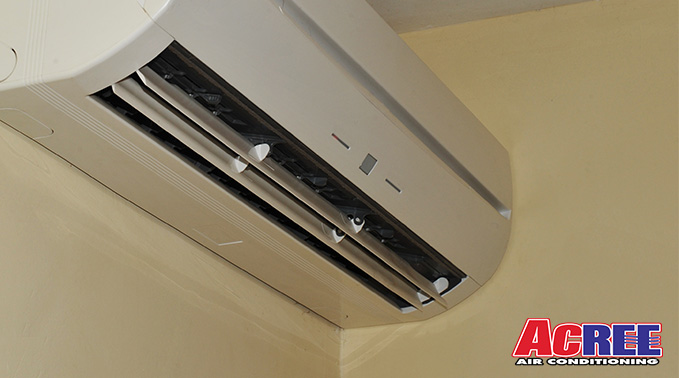
The thermostats affect the dampers, the air is pumped out the vents of your home and the overall result is more temperature control throughout your home! Ductless solutions are also an option, creating control over individual rooms. With either dampers or ductless, when a zoned air system is designed well, there are multiple benefits that this system can bring to you:

  1. Precise Control

Outside forces (such as the sun and wind hitting different sides of the house) and inside variables (like having the oven on or running a very hot shower) create differing temperatures throughout the day. With zoned air, you don’t have to change the temperature for the whole house just to adjust one room. Every zone is managed independently, resulting in higher temperature accuracy.

  1. Longer System Lifespan

When you have uneven temperatures in the household, many homeowners adjust the thermostat to try to compensate for the difference, and kicking the HVAC system on more often wears it down faster. Your HVAC system is likely one of the more expensive investments of your household and any break it can get will help it live longer. With optimal temperatures achieved, there’s no need to adjust. Your system will likely not have to run at full blast, tacking more time onto your system’s life.

  1. Energy Efficiency

By using dampers, you only direct air to rooms in use. This cuts down massively on your home’s energy consumption for heating and cooling when used properly: energy being used to get the specific temperature you need, exactly where you need it. Now that’s maximum efficiency! When you pair a zoned air system with a programmable thermostat, this can lead to significant energy savings for your household… up to 30 percent!

  1. Individual Comfort

Individual zones mean individual comfort. If living alone, this means you can have the comfort follow you as you switch rooms throughout the day. If you have a family, other members can sit cozily in a warmer living room while you have a cooler study. Someone can cook a meal and be comfortably cool but not have to freeze out someone in the dining room! One can work out in one room while another quietly reads, in their own perfectly conditioned space.

Acree Plumbing, Air & Electric wants you to be comfortable throughout the year, and our expert technicians are eager to help you fine-tune your control over that comfort. If zoning is something you feel your home could benefit from, our experts can help you assess your home’s layout and suggest how to best assist your unique situation. Our preferred vendor is Daikin, who takes it a step further by providing ductless zoning. For comfort you can count on, give us a call at (813) 703-1273 from 7AM to 11PM – or fill out our online form today!