Category: Uncategorized

How to Keep Your Home’s Air Fresh in The Winter

keep your air fresh in the winter

According to the Environmental Protection Agency, about 90 % of Americans spend their time indoors. That is why it is important that your indoor air quality is at its healthiest no matter what season. That’s why the pros at Acree have come with a quick and helpful guide on how you can keep your air fresh in the winter.

1. Keep an Eye on the Humidity

No matter the weather in Florida, humidity is always at a high. Many Tampa Bay residents experience the feeling of being cool but remaining uncomfortable; that issue is caused by excess humidity! To ensure your home is comfortable and your indoor air fresh, keep an eye on your indoor humidity levels. Investing in a dehumidifier might help—this appliance ensures you can adjust the levels of humidity in your home for maximum comfort. It is generally a good idea to keep humidity levels between 30-50% as this level is not only comfortable but essential to preventing mold growth.

2. Change Your Air Filter

You have probably heard this piece of advice but that’s because it’s incredibly important. Changing your air filter is one of the easiest ways you can maintain your HVAC unit and keep your indoor air quality at a healthy level. Changing your air filter at least once or twice a month can also reduce your unit’s energy consumption by up to 15%.

3. Dust and Vacuum Often

Dust and dander can easily make its way inside our homes, which is why it is important to clean up often. Try to do a thorough vacuuming and dusting of your home once a week and follow it up with a mop occasionally. Dust accumulation can cause allergic reactions so it is important you prevent its circulation as much as you can.

4. Use Your Ventilation System

If your home does not have proper ventilation, toxins and allergens won’t have a place to go and humidity will increase inside your home. Use the exhaust fans in your kitchen and bathroom to get rid of any humidity, odors or toxins sticking around. While it isn’t a good idea to have your exhaust fans on all the time, they certainly allow for better ventilation and healthier indoor air quality if they are used appropriately.

5. Try Natural Alternatives to Air Fresheners

Air fresheners have been a popular and quick way to quickly cover up any odors inside homes. However, some researchers have expressed concern over the possible health problems caused by prolonged exposure to these air fresheners. If you are someone who uses air fresheners often, you might want to consider a healthier, organic alternative. Here are some you can try out:

  • Simmer Pots

Create your own little air freshener by putting sliced lemons, rosemary and vanilla into a pot of water and let it simmer. You can use a variety of herbs, spices and fruits to create a scent to your liking.

  • Diffuser Sticks

Diffuser sticks are a popular alternative to air fresheners. Dipped in a bottle of strong, scented oil, these diffuser sticks provide the scent you need with very little effort.

  • Potpourri

Potpourri is one of the classics and it remains widely used today. Not only does it add a nice scent to your home, it also makes a great centerpiece.

Keep Your Air Fresh with Acree!

Americans already spend a great deal of time indoors, but in the winter that time most likely increases. That is why it is vital to keep your indoor air quality healthy. If you want to learn more about how you can keep your air fresh in the winter, get in touch with the knowledgeable pros at Acree! Call us today at (813) 703-1273 or schedule a service with us online!



How to Make Sure Your Guests Are Comfortable for the Holidays

keep guests comfortable

With the holidays only a few weeks away, everyone seems to have an ever-increasing to-do list of holiday related tasks. One of those tasks is preparing your home for any prospective guests. If you have loved ones stopping by for Christmas, you’re probably scouring your brain for ways you can keep your guests comfortable and happy. The last thing you want is to spend the holidays listening to complaints about small inconveniences that could have easily been avoided. To help you out, the pros at Acree have prepared a quick guide to keeping your guests comfortable, so you can have the festive and relaxing break you deserve!

1. Clean Up

This is an obvious tip, but thoroughly cleaning your home can make a big difference. Here are some deep cleaning tips you should know about:

  • Dust All the Corners

Make sure you dust light fixtures, the tops of furniture and any reachable ceiling fans. Dust and dirt can accumulate over time causing allergies which won’t lead to a very happy holiday.

  • Space It Out

Instead of dedicating one day to deep cleaning your entire house, space it out over the span of days or weeks. This way you will be more efficient, and you won’t be totally exhausted by the time your guests arrive.

  • Clear Out Drains

Even if your sink or bathtub drains aren’t clogged, make sure they are completely clean and free of hair and soap scum. If they aren’t clogged up now, they will be after guests use them frequently. Use baking soda and vinegar to create the perfect cleaning and unclogging solution!

  • Vacuum Then Mop

Make sure you do a thorough vacuum of your home—get the area behind your fridge, sofa, couches and any movable furniture. Follow it up with a mop to further get rid of any dust.

2. Have Extra Blankets

For the nights you’re all gathering in your living room to watch a movie with some delicious hot cocoa, make sure you have extra blankets. Winter holidays are all about staying warm and cozy! You can easily purchase plush blankets from various retailers near you.

3. Get Rid of Odors

No matter how big, clean or well decorated your home is, if it smells bad it’s game over. Make sure you always have ways to keep your house odor- free. Use scented candles and fragrance sticks in your living room, leave air fresheners in your bathroom and have some fresh flowers ready in your guest rooms. You can also use dryer sheets in places such as your linen closet, so your towels and bedsheets come out smelling fresh!

Pro tip: If your kitchen has an odor, it might be because of a dirty garbage disposal. Make sure you clean it out then place lemon rings in the disposal and run water. This tip can remove the smell and imbue the kitchen with a pleasant lemon scent.

4. Do Any Plumbing and HVAC Maintenance

Long before your guests arrive, make sure you take care of any plumbing or HVAC problems you might have. Change your air filter, clean up the vents and registers around your home and unclog any drains and repair any leaks. The last thing you want is your plumbing or HVAC system breaking down in the middle of the holidays! For expert maintenance, get in touch with a reliable plumber or HVAC technician.

If you need more tips on how you can keep your guests comfortable for the holidays, call the pros at Acree at (813) 703-1273 or schedule a service online!


How to Keep Your Pipes from Freezing in The Winter

keep your pipes from freezing this winter

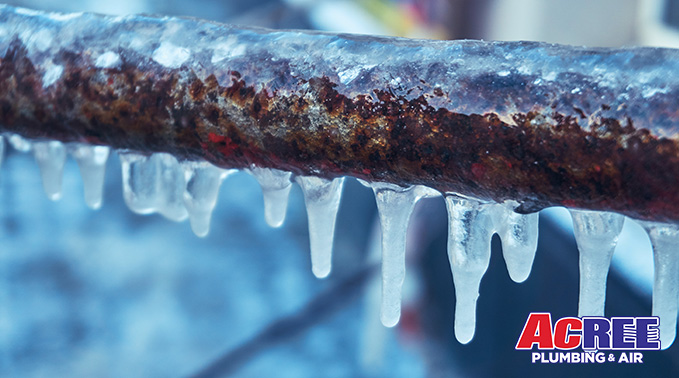
The winter season brings Christmas festivities, cheesy holiday movies and lots of hot chocolate. Unfortunately, it also brings the risk of your pipes freezing and bursting. While the winters are generally mild in Florida, the risk of pipes freezing remains as temperatures can suddenly plummet on certain days. That’s why there is no harm in taking some extra precautions to keep your pipes from freezing in the winter. And to help you out, the pros at Acree have prepared a quick and helpful, guide!

1. If You Leave, Keep the Heat On

If you and your family are planning on leaving your home for a few days, remember to leave your heat on. It might seem wasteful but leaving it on prevents your pipes from freezing over. If your pipes freeze and burst, they can cause extensive water damage to your property. You don’t have to keep the heat as high as you do when you are home but keep it at a temperature higher than 50 degrees. Make sure your home has enough heat to prevent pipes from freezing.

2. Use Pipe Sleeves

One way you can prevent your pipes from freezing over is by insulating them using pipe sleeves. Often, pipes that are in areas such as the attic and basement are prone to freezing and need to be insulated. You can fit these pipes with fiberglass or foam sleeves to prevent freezing which can be relatively cheap. However, if you need to open the walls, ceilings and floors to properly insulate these pipes, it can become expensive and invasive.

3. Keep Cabinet Doors Open

If you notice that temperatures are about to dip, another thing you might want to do is keep your cabinet doors open. Pipes are located in cabinets under kitchen and bathroom sinks and if they burst can cause serious damage. Simply open your cabinet doors so the heat from the rest of your house keeps your pipes warm as well! In addition, it’s a good idea to keep all your interior doors open so heat is consistently circulating around your home.

4. Let Your Faucet Drip

This might sound wasteful, but if you want to prevent high pressure or blockages in your pipes, let your faucet drip for a bit. By opening the faucet attached to the pipe you can release the pressure in the pipe system.

5. Seal Up

If there are any cracks, gaps or holes near pipes in your walls, it’s a good idea to seal them up. Make sure your home is properly insulated and that any caulking is added. In addition, prevent cold outdoor air from coming inside your home by adding weatherstripping below your exterior doors and windows.

Prevent Your Pipes from Freezing with Acree!

If you want to learn more about how you can prevent your pipes from freezing this winter, get in touch with the pros at Acree! Call us today at (813) 703-1273 or schedule an appointment with us on our website!


Is Duct Sealing Worth It?

is duct sealing worth it

The ductwork in your home is an important component of your central heating and cooling system. Warm or cool air circulates through these ducts and is inhaled by you and the occupants in your home. That is why it is important to ensure your ducts are well-sealed. Any cracks or gaps in the ducts can cause unclean outdoor air to enter your home, ultimately worsening your indoor air quality.

In addition, this can force your air conditioner to work harder in providing the heating or cooling your home needs. According to the Department of Energy, up to 100 dollars can be lost every year if duct holes are left ignored. However, duct sealing requires a big investment of time, money and energy, and many homeowners ask themselves the same question: Is duct sealing worth it? If you are one of those homeowners, this blog by the pros at Acree is for you!

What Happens if You Don’t Seal Ducts?

If you don’t seal your ductwork, you won’t have to worry about paying a high up-front cost for duct sealing services. You also won’t have to worry about spending time and effort into finding a trustworthy HVAC technician who can do the job. However, you will also be wasting a significant amount of energy and money. According to Energy Star, 20 to 30 percent of air flowing through ducts is lost because of holes, cracks and openings. So, if you don’t seal ducts, there will be no high up-front cost. But this decision can increase energy-loss and your utility bill overtime. In addition, unsealed ducts can lead to the worsening of indoor air quality which can decrease your overall comfort.

What Happens If You Seal Your Ducts?

Duct sealing services can be an investment for sure. It takes time out of your day and money out of your wallet. However, ducts with holes in them can reduce the efficiency of your HVAC unit by up to 20 percent. By sealing your ducts, you can improve the efficiency of your central heating or cooling system as well as your overall comfort. Here are some benefits of sealing your ductwork:

  • Consistent Air Flow and Temperature

If you have been dealing with random temperature changes from one room to another, it is often caused by inconsistent air flow. Duct holes can bring in unclean outdoor air and conditioned indoor air can get lost, causing air flow issues. By sealing your ducts, you can prevent such problems.

  • Improved Indoor Air Quality

By sealing your ducts, you can better the indoor air quality of your home and prevent pollutants, allergens and other toxic materials to enter your home.

  • Increased Safety

When your major home appliances are running, they often release combustion gases through their ventilation systems. Leaky ductwork can cause a phenomenon called “backdrafting” which occurs when these gases are pushed back into your home, instead of outside.

Is Duct Sealing Worth it? Acree says, “Yes!”

For your comfort, safety and the energy-efficiency of your home, we recommend sealing any leaky ducts in your home. If you are looking for highly qualified HVAC technicians to do this in the Tampa area, look no further! The pros at Acree are here to help you out! Call us today at (813) 703-1273 or schedule an appointment online!

Is Your Heater Prepared for The Winter?

is your heater prepared for the winter

Florida doesn’t experience a lot of biting cold in the winter as other states do. But once in a while, the temperatures will drop, and homeowners will find themselves panicking to make sure their heaters and furnaces are working properly. By preparing your HVAC unit for those rare cold winter days, you don’t have to worry about any furnace or heater problems occurring. If you don’t know where to start preparing your heater for the winter, don’t worry! The pros at Acree Plumbing and Air have created a quick and helpful heater maintenance guide for you.

1. Change the Air Filter

One of the best ways you can prepare your furnace or heating system for the winter is by changing your air filter. A clogged air filter can worsen air flow, use up excess energy and even cause a frozen evaporator coil. A clean air filter can reduce energy use by up to 15 percent and maintain the efficiency of your heater. According to the Department of Energy, it is best to change your filter every month or two months. It is one of the easiest ways you can ensure your HVAC system is functioning properly and efficiently. If you’re new to HVAC maintenance and don’t know how you can change your air filter, follow this helpful step-by-step guide!

2. Clean Heat Exchanger

The heat exchanger is a vital component of your HVAC unit. In a standard gas furnace, the heat exchanger uses combustion gases to warm indoor air. The conditioned air is then blown out of your vents and registers. As a result, your heat exchanger keeps you warm. That is why it is important to ensure your heat exchanger is ready for the upcoming cold months. The best way you can prepare it is by having a professional HVAC technician clean any dust or dirt off the exchanger.

3. Professional Inspection

If you want a thorough maintenance and inspection of your HVAC unit, you should get in touch with a reliable HVAC technician. By having your heating system go through a professional tune-up, you can be sure that nothing on your heating maintenance checklist is missed. Not only will professional technicians point out any problems with your system, they will also provide viable solutions and options to help you solve these problems. It is best to have a technician come look at your system annually or bi-annually.

4. Protect Your Outdoor Condenser

Unless you have a heat pump, you should cover your outdoor condenser in the winter. This is an especially helpful tip for colder climates.. You can protect your outdoor condenser by trimming any foliage around it and covering it with a tarp or even a large lid secured with bungee cords. By protecting your outdoor condenser from sudden temperature drops, ice and frost you will ensure your outdoor unit is ready for the summer.

Be Prepared with Acree Plumbing and Air!

Prepare your heater for the winter with help from the pros at Acree Plumbing and Air! Call us today at (813) 703-1273 or schedule an appointment with us on our website!


Can Geothermal Heating Help During Winter?


can geothermal heating work in the winter

Geothermal heat pumps provide a different way to heat your home than traditional furnaces and heat pumps. These heat pumps are known as ground source heat pumps because they essentially harness the temperature underground and use it to heat your home. Basically, the step by step process of how it works is this:

  • Ground absorbs heat from the sun. Then, the water-filled pipes underground absorb that heat.
  • The liquid carries the heat through the pipes and reaches your heat pump
  • Geothermal heat pump absorbs the heat from the pipes and sends heated air to your central heating system

According to the Department of Energy, Geothermal heat pumps can keep users comfortable for up to 50 years and cut energy bills by 65 %. However, many homeowners considering geothermal heat pumps have one common concern; can geothermal heating help during the winter? In this blog, the pros at Acree answer this question!

Can Geothermal Heating Help During Winter? Yes, it can!

One of the important facts you should know about geothermal heating is that it works for every climate. Homeowners considering these heat pumps worry that during the winter, the geothermal heating system will not be able to absorb heat as effectively. However, because the earth’s underground temperature remains consistent throughout all seasons, geothermal heating will work effectively even in the coldest winter. In fact, there is actually a higher concentration of geothermal heat pumps in colder regions across the United States. There are about a million geothermal heat pumps providing heating in homes and businesses—it is a common method of heating that lasts long and saves energy!

Types of Geothermal Heating Systems

If you’re considering installing a geothermal heat pump in your home, you should also know about the different types of systems that exists. There is a closed loop system, which is used by the majority of GHP users in the United States. In a closed loop system, the geothermal heat pump uses a ground heat exchanger that circulates anti-freeze solution through the system. The pipes in this system are usually made of plastic tubing and are buried underground. In an open loop system, the heat pump uses surface water or water from a pond or well to circulate directly through the GHP system.

Vertical  systems, horizontal systems and hybrid systems also exist. The horizontal system is the most cost-effective for residential geothermal heat pumps, while vertical systems are better for commercial use. Hybrid systems use various geothermal resources and are good for providing cooling as well.

Consider your Geothermal Heating Options with Acree!

We hope this guide on geothermal heating answered your questions about geothermal heat pumps. If you want to learn more about your heating options, get in touch with the pros at Acree. Our licensed and experienced technicians will address your concerns and answer all your questions with utmost professionalism. Call us today at (813) 703-1273 or schedule an appointment with us on our website!

What to Do About Mold in Your Ducts

What to Do About Mold in Your Ducts

The ductwork running throughout your home is a vital component of your HVAC system. These ducts are responsible for the transfer of cool or warm air in order to keep your house at a comfortable temperature. However, because these ducts accumulate moisture, dust and dander over time – they can become the ideal place for mold. Mold is a type of fungus that spreads through spores and requires moisture and nutrients to grow. If mold starts growing in your ducts, it can worsen your indoor air quality and even lead to allergic reactions and the triggering of asthma symptoms.  Luckily, the team at Acree Plumbing and Air knows a thing or two about what you can do about mold in your ducts.

How to Tell if Your Ducts Have Mold

  • Mold growing on your vents or registers.
  • A consistent musty odor.
  • A leak in the past that wasn’t handled appropriately. The moisture might have led to mold growth.
  • Ducts are clogged with excess dirt and dust. To check if your ducts are clogged, unscrew one of your vent register plates, get a flash camera and stick it in the ductwork to get a photo. If the photo shows several large dust bunnies and dirt, you might want to call a professional.
  • If you hear a consistent scratching in the walls or ceiling, pests might have made their way into your ducts; mold might attract certain types of insects or pests.

What to Do About Duct Mold

If you feel like you have a mold problem in your ducts, you must contact an HVAC technician and schedule a proper duct cleaning service. Professional duct cleaning can kill germs and other bacteria, remove mold and mildew, and remove any foul odors. Ultimately it can lead to healthier and cleaner air. However, before you schedule a duct cleaning service, read this guide by the Environmental Protection Agency. The guide includes some essential facts about duct cleaning. Find out how often you should get your ducts cleaned and whether chemical treatments should be used to clean them. Whenever you hire a service provider for an important task such as duct cleaning, be sure to maintain total communication and transparency with them. The team at Acree appreciates customers who voice any questions or concerns they have!

Pro Tip: Don’t DIY Mold Removal

Whether you have mold in your ducts or anywhere in your home, keep in mind that it’s not a good idea to handle mold removal on your own. Many states have regulations that make it clear that only licensed professionals can test for and remove mold. In addition, mold testing kits available at home improvement stores have been reported as unreliable and should be avoided.

Clean Your Ducts with the Pros at Acree

If you think your ductwork has become clogged with dust, debris or mold, get in touch with the pros at Acree Plumbing and Air for high quality duct cleaning services! Call us today at (813) 703-1273 or fill out a service request form on our website!


6 Easy Ways to Alleviate Dry Air

6 Easy Ways to Alleviate Dry Air

Poor humidity levels can cause a number of issues in your home. Sure, a little static electricity can be fun for a second, but not for long. You may find that your hair and skin are dry. You’re more susceptible to colds and other minor infections. In extreme cases, there may even be damage to the wood in your home—your tables, chairs, and floors—or even to your electronics.

Here are 6 easy ways to alleviate dry air in your home:

1.     Find and Seal Air Leaks

If there’s dry air in your home, it’s because there a leak somewhere bringing in the dry, cold air of fall and winter. The places where air leaks occur most often are your exterior-facing doors and windows. However, you may also check your attic for cracks in the ceiling. Once you have located the air leaks, you can seal them by replacing the weather stripping around your door, re-caulking your windows (or even replacing them with double-pane glass), and caulking the cracks in your attic ceiling.

2.     Boil a Pot of Water

Place a large pot of water on the stove and boil it, without placing the lid on the pot. This way, the steam can rise and fill the air, humidifying it in a simple, cheap way. You don’t have to break the bank to breathe easier this fall and winter!

3.     Air Dry Your Clothes Indoors

Another way to bring a little moisture into your home—and save a little money on your energy bill—is to hang your clothes out to dry, indoors. As your clothes dry, the moisture from the fabric will rise into the air. It’s similar to the boiling water tip, but it doesn’t evaporate quite as fast, making this a slightly longer-lasting solution.

4.     Nurture Air-Purifying Plants

Certain plants have a purifying effect on the air in your home. Just as the water evaporates from clothes as you dry them indoors, the water from the plants evaporates (much more slowly) into the air to provide a humidifying, purifying solution for you. Here are a few plants you can choose from:

  • Boston Fern
  • Chinese Evergreen
  • Devil’s Ivy
  • Dragon Tree
  • English Ivy
  • Hoya Carnosa
  • Kenia Palm
  • Peace Lilly
  • Wheatgrass

When you take care of these indoor plants, these plants take care of you.

5.     Get a Humidifier

Of course, there’s always the option to purchase a humidifier for your home. It will help, but only in the room that the humidifier is actually in. Similar to the other solutions above, this one works, but has limited range and is only temporary.

6.     Whole-Home Humidification

For optimum home comfort, you want the humidity in your home between 30% and 60%, ideally between 40% and 55%. If your home is dry and uncomfortable, then your humidity level is probably somewhere around 15% to 30%. Let us fix that for you with a whole-home humidification solution. Call Acree to schedule an appointment for easy ways to alleviate dry air in your home.


How to Avoid High Energy Bills During Fall

avoid high energy bills

Along with fall comes the sneaking chill of pre-winter. So used to the sweltering summer heat, you might be tempted to blast your heater at the first sign of cold, but you don’t want your energy bill to stay frozen on high. Here’s how to avoid high energy bills during fall:

Take Advantage of Your Fireplace

Even in parts of the country that don’t get all that cold in the winter, like Florida, most homes come with a fireplace. On especially cold evenings (or cold evenings in southern terms, at least!), you can throw a log on the fire, open up your flue, and let the low, crackling flames keep you and your family nice and cozy.

Use Space Heaters

If you don’t have a fireplace, or in rooms that don’t have a fireplace in them, you can set up space heaters. You’d be surprised how far the warmth of these small devices can reach! Just be sure to practice space heater safety by not keeping your space heater on carpet or wood and making sure you unplug it after each use.

Keep Throw Blankets Around

As the air in your home starts to bite, reach for a throw blanket instead of your thermostat. If you keep throw blankets in each room, you’ll be less likely to turn up the temperature in your home, which will keep your energy bill from turning up too! This tip also applies to sweaters. If you don’t like the appearance of throw blankets around the house, or feel that they’re only appropriate for certain rooms, just make sure that always have a sweater handy so you can stay warm this fall.

Leave the Windows Open on a Nice Day

You know what they say about the weather in Florida! If you don’t like it, just wait a minute. It’ll change.

Not every day in the fall is going to be colder than you’re comfortable with. Sometimes the sun bares down on your home and creates a cozy warmth that complements that cool breeze nicely. On these days, take full advantage by turning off your HVAC altogether and opening up your windows. Not only is this an inexpensive way to stay comfortable in your home, but it can also help air out the musty smell that has settled in your home over the summer.

Change Your AC Filter

Your HVAC unit could be working in overdrive just because you haven’t changed your AC filter in a while. Think about it: Your air filter is blocking your primary air duct, protecting your home from allergens, dust, and bacteria. But if you air filter is clogged with all the dirt, etc. that it has caught over time, then your HVAC unit is having to work twice as hard to circulate air through your home. Change your filter every one-to-three months to save on your energy bill this fall!

Another great way to save on your energy bill in the fall and winter is to upgrade your HVAC unit to a more energy-efficient model. Talk to the experts at Acree today to hear about our rates and specials!

How to Tell If Your Home Has an Air Leak

how to tell if your home has an air leak

You’ve tried everything to lower your energy bill:

  • Set your thermostat at a temperature you’re almost uncomfortable with.
  • Used fans to cool you off or space heaters to warm you up instead of using the central system.
  • Watched less TV.
  • Diligently turned off lights in rooms you weren’t currently in.
  • Even unplugged appliances you’re not using.

So why is your energy bill still so high?

You could have an air leak in your home. It doesn’t matter what steps you take to conserve energy in your home if outside air is seeping into your house. It compromises your air circulation and makes it harder for your thermostat to maintain your selected temperature.

But how can you know for sure?

How to Tell If Your Home Has an Air Leak and What to Do About It

Window Test

When it comes to energy inefficiency, your windows are almost always the culprit. Especially if you have single-paned glass or archaically structured frames, air can escape through the sides, top, or bottom of your windows.

To see if you have an air leak through this source, simply place your hand near the edges of each window to see if you feel a draft. If your hands are already cold, you may not be able to properly tell if there is a draft. Instead, you might take a tissue and let it hang from your hand to see if it moves with a breeze.

Door Test

Just like the window test, the door test is simply feeling for a draft at the edges of your exterior-facing doors. A door draft is a little less likely, as weather stripping usually provides enough of a barrier between your cozy home and the blustery outdoors. However, your weather stripping can age and wear down over time.

Here are the doors that should be checked during this test:

  • Front Door
  • Back Door
  • Patio Door(s)
  • Balcony Door(s)
  • Garage Door

Light Test

The window and door tests can be difficult if you’re not entirely sure where the air is coming from. If it’s cold and breezy and in your home, due to a ceiling fan, box fan, or central AC that’s really putting in overtime, then you may not be able to tell if you have an air leak, just by feeling for a draft.

The light test lets you use your eyesight, rather than your tactile sense, to detect an air leak.

This test works primarily with doors (as, of course, you would be able to see light through a window). You’ll need a partner and a flashlight. While it’s dark out, have your partner stand on the other side of your front door and shine the flashlight at the door, taking extra care to shine the beam on the weather stripping and bottom of the door. If you can see light, that means your central air can escape and outside air can get in, compromising the energy efficiency in your home.

Repeat this test with all exterior doors in your home.

Repairing an Air Leak vs. Replacing Your HVAC Unit

Were your windows or doors compromised? If so, you’ll need to patch up your air leaks. You can have the weather stripping at your doors replaced by a professional or have your window edges re-caulked.

But what happens if your home doesn’t have an air leak and your energy bill is still really high?

In this case, it may be that your HVAC unit is old and unable to withstand your temperature demands. Call one of the friendly representatives at Acree to have your HVAC unit replaced by a licensed, skilled professional.