As temperatures drop, your furnace becomes one of the most essential systems in your home. Proper preparation for winter helps prevent breakdowns, improves efficiency, and supports safe operation during the coldest months. You can avoid many furnace problems with simple seasonal steps.
Acree Plumbing, Air & Electric in Tampa and Sarasota, FL helps homeowners prepare their heating systems for winter. Getting ready early lets you address minor issues before they become big problems. A prepared furnace runs more reliably, uses energy more efficiently, and keeps your home comfortable all winter.
Replace or Clean the Air Filter
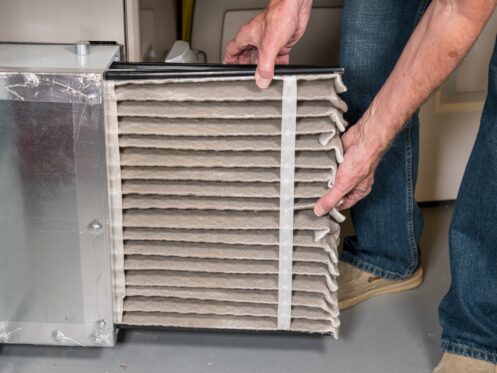
The air filter plays a key role in furnace performance. A dirty air filter restricts airflow, forcing the system to work harder to heat. Dirty filters increase energy use and strain internal components.
Before winter begins, replace or clean the filter according to the manufacturer’s guidelines. Homes with pets, people with allergies, or smokers may need more frequent air filter changes. A clean filter improves airflow, supports even heating, and helps protect the furnace from damage.
Test the Thermostat
Your thermostat controls how and when your furnace operates. If it isn’t working properly, your furnace may not respond as expected. Before cold weather sets in, test the thermostat by adjusting the temperature and confirming that the furnace turns on and off correctly.
Make sure the thermostat is set to heat and verify it responds normally to temperature changes. Replace the batteries if needed. If the thermostat doesn’t communicate reliably with the furnace, heating performance can suffer throughout the winter.
Check Vents and Return Air Openings
Proper airflow depends on clear vents and return air openings. Vents can become blocked by furniture, rugs, or curtains without you realizing it. Blocked vents reduce heating efficiency and create uneven temperatures.
Walk through your home and check every vent. Open any closed vents, and remove blockages that could impede airflow. Good airflow helps the furnace distribute heat evenly and prevents unnecessary strain on your HVAC system.
Inspect the Area Around Your Furnace
The area around your furnace requires ample space. It should be free of blockages and hazards. Storage items placed too close to the furnace can restrict airflow or increase safety risks. To reduce the risk of fires, never store flammable materials near heating equipment.
Take time to clear the area around the furnace before winter. Make sure nothing is leaning against the appliance or blocking access panels. A clear furnace area supports safe operation and makes inspections easier.
Test Your Carbon Monoxide Detectors
Carbon monoxide safety is essential during the heating season. Furnaces that burn fuel produce exhaust gases that must vent properly. Carbon monoxide detectors provide early warning when levels become hazardous.
Test all carbon monoxide detectors in your home before winter begins. Replace batteries as needed, and install detectors on every floor of your home. Working detectors add an important layer of protection when your furnace is operating.
Pay Attention to Unusual Sounds or Odors
Before winter use increases, pay attention to how your furnace sounds and smells. New or unusual noises can indicate loose components or airflow issues. Persistent odors may suggest dust buildup or other concerns.
While some odors are normal at the start of the season, you should never ignore strong or ongoing smells. Addressing unusual sounds and smells early can help prevent bigger problems later.
Check the Furnace Flame or Pilot Light
Some older models have visible furnace flames. The flame should burn steadily and appear mostly blue. An irregular or discolored flame may indicate combustion issues. If your furnace uses a pilot light, confirm that it stays lit consistently.
Any concerns with flame appearance or pilot operation require a professional. Proper combustion is critical for both efficiency and safety during winter heating.
Understand How Winter Weather Affects Furnace Performance
Cold weather places unique demands on a furnace. As outdoor temperatures drop, heating systems run longer and cycle more frequently. Extended run times increase wear on moving parts and electrical connections. A furnace that performs adequately in mild weather may struggle in winter.
Houses also change during colder months. Windows stay closed, insulation traps air, and indoor humidity levels shift. These factors affect airflow and heat distribution. Furnaces must compensate to maintain steady indoor temperatures. If the system is ill-prepared, comfort levels will vary from room to room.
Winter weather can also expose hidden weaknesses. Small airflow restrictions, minor electrical issues, or aging components may fail under sustained use. These problems often occur on the coldest days, when heating demand is highest. Preparing your furnace in advance reduces the risk of unexpected failures.
Schedule a Professional Furnace Tune-Up
A professional furnace tune-up before winter provides a thorough review of your system’s condition. During a maintenance visit, our technicians inspect essential components to ensure safe and reliable operation. We check burners for proper ignition and clean combustion parts. We inspect electrical connections to confirm an appropriate response. We also verify proper startup and shutdown cycles to support consistent heat.
Understand the Benefits of Preventive Maintenance
Preventive furnace maintenance delivers long-term benefits beyond immediate comfort. A well-maintained furnace operates more efficiently, using less energy to produce heat. This improved efficiency can help lower monthly utility bills throughout the winter.
Regular maintenance also improves system reliability. Components experience less stress when operating as designed. Professional maintenance reduces the likelihood of unexpected breakdowns and extends your system’s lifespan. Preventive care also improves performance consistency, helping maintain steady indoor temperatures.
Safety is another major benefit of furnace maintenance. Inspections help identify potential hazards before they escalate into serious problems. Routine service ensures safety controls function properly and ventilation remains open. Preventive maintenance protects comfort, efficiency, and peace of mind.
Know What Happens When You Skip Furnace Maintenance
When you neglect furnace maintenance, minor issues go unnoticed. Dust buildup, worn parts, and airflow problems develop gradually. The system may still operate, but it requires more energy to produce the same level of heat. Over time, this increased strain reduces efficiency and raises energy costs.
Skipping heating maintenance also increases the risk of unexpected breakdowns. Minor problems may worsen during peak winter use. A furnace failure during cold weather can disrupt comfort and require urgent repairs. Regular maintenance helps prevent these situations by addressing concerns before they affect system performance or reliability.
Get Your Furnace Ready Before Winter
Preparing your furnace for winter helps protect your comfort, safety, and energy efficiency when temperatures drop. Simple steps such as maintaining proper airflow, checking safety devices, and supporting system performance throughout the home can reduce the risk of breakdowns.
A well-prepared furnace runs more reliably, uses energy more effectively, and supports consistent indoor comfort all season long. Taking action before cold weather arrives also helps you avoid emergency repair services during the peak of winter.
At Acree Plumbing, Air & Electric, we help homeowners prepare their furnaces with thorough inspections, detailed maintenance, and a focus on long-term system health. Scheduling furnace service early gives you peace of mind, knowing your system is ready to perform effectively and efficiently.
Contact our team at Acree Plumbing, Air & Electric today to schedule professional furnace maintenance in Tampa, Sarasota, and the surrounding areas.