If you rely on a heat pump to keep your home warm, feeling cold air coming from the vents can be alarming. Many people worry that something is wrong with their system or that it’s about to fail. In reality, heat pumps behave differently from furnaces, especially during cold weather. What feels like cold air is often regular operation, but there are situations where it signals a real issue.
At Acree Plumbing, Air & Electric, we want you to understand how heat pumps work and what to expect during winter. Knowing the difference between normal operation and the need for professional attention can help you take the right action.
How Heat Pumps Work
Unlike furnaces, heat pumps do not generate heat. Instead, they transfer heat from one place to another. In winter, a heat pump extracts heat from outdoor air and transfers it indoors. Even when outdoor temperatures feel cold, heat energy remains available for the system to extract.
Because of this process, the air coming from your vents often feels cooler than furnace-heated air. This is one of the most common reasons homeowners think their heat pump is blowing cold air when it’s actually working as designed.
Why Heat Pump Air Feels Cool in Winter
Heat pumps deliver warm air between 85 and 110 degrees Fahrenheit. While this is warm enough to heat your home, the air may feel cooler than furnace air, which reaches temperatures over 120 degrees.
This sensation is especially noticeable when you stand directly under a vent, or outdoor temperatures are lower than normal. You may also notice it if your system runs longer than usual.
Longer run times are standard and more efficient for heat pumps. Instead of short, high-velocity bursts of air, heat pumps deliver steady, consistent airflow.
Defrost Mode Can Cause Temporary Cool Air
Another common reason for a heat pump blowing cool air is defrost mode. During winter, frost can build up on the outdoor unit. To keep the system running efficiently, the heat pump periodically switches into defrost mode to melt that frost.
When this happens, the system temporarily reverses operation. During defrost cycles, you may feel cooler air coming from the vents for a few minutes. This is normal and not a cause for concern. It should not exceed 5 to 10 minutes.
Many systems use backup heat to offset this effect, but some cool airflow can still occur. Once defrost mode ends, warm air should return.
Thermostat Settings That Can Cause Cool Air
Incorrect thermostat settings are a common, easy-to-fix cause of cool airflow. It’s important to check that the thermostat is set to heat, not cool or auto. Make sure the fan is set to auto, not “on.”
When you set the fan to “on,” it will run continuously, even when the heat pump is not actively heating. This can send cool, room-temperature air through the vents.
You should also confirm you’ve programmed the thermostat correctly. Incorrect schedules or temperature setbacks can make the system appear inconsistent.
Dirty Air Filters Restrict Heat Delivery
A clogged or dirty air filter can affect your heat pump’s performance. When airflow becomes restricted, the system struggles to move warm air through your home. This can result in weak airflow that feels cool or uneven.
Dirty filters can cause longer run times, reduced efficiency, and increased wear on system components. You should check your filter monthly during heating season and replace it as needed. This simple step can restore proper airflow and improve comfort.
Outdoor Unit Issues That Affect Heating
The outdoor unit plays a critical role in a heat pump’s operation. If it becomes obstructed or dirty, heat transfer reduces.
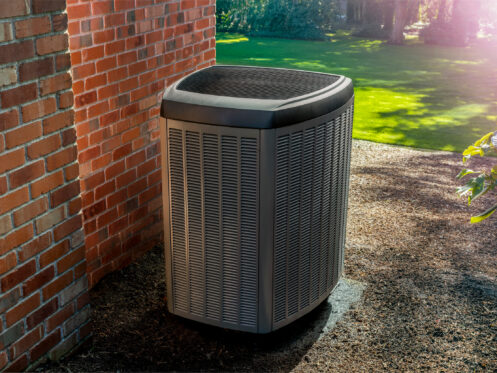
Common obstructions include snow, leaves, or overgrown vegetation. Make sure the outdoor unit has at least 2 feet of clear space around it and that there are no airflow restrictions. If ice buildup becomes excessive or persistent, schedule a professional inspection and recommendations.
Low Refrigerant Levels Can Reduce Heat Output
Heat pumps cannot transfer heat without sufficient refrigerant. If refrigerant levels are low due to leaks, the system may struggle to extract enough heat from the outdoor air. This can make the air coming from the vents feel cooler.
Low refrigerant levels also reduce efficiency, cause ice buildup in the system, and lead to inconsistent heating. Never attempt DIY approaches when dealing with low refrigerant levels. Our technicians have the proper training and certifications to handle refrigerant safely.
When Malfunctioning Parts Are the Problem
Several internal components can impact heating performance when they malfunction. These issues are less common but more serious, and you should never ignore them. Possible causes include:
- Faulty reversing valve
- Failing compressor
- Defective sensors
- Unresponsive backup heating
When specific components fail, the system may switch between heating and cooling improperly or fail to produce heat. A professional diagnosis becomes necessary to identify and repair these issues.
Simple Checks You Can Do
There are a few basic things you can do before calling for heat pump repair. These simple checks can often resolve the problem without a repair service.
- Confirming thermostat settings
- Replacing or cleaning filters
- Checking for outdoor debris
- Waiting for the defrost cycle to finish
- Opening vents and removing blocking obstructions
When Should You Call a Professional?
Some heat pump behaviors are normal, but certain warning signs indicate a problem that needs a professional evaluation. Knowing when to call for service can prevent further damage and help restore reliable heating.
If your home isn’t reaching the thermostat setting even after the system has been running for long periods, it’s time to schedule a professional inspection. Heat pumps typically maintain a consistent temperature, even when the air feels cooler than expected. Persistent temperature loss often points to airflow restrictions, refrigerant issues, or component malfunctions.
Cool air that persists after short defrost cycles is another sign you may need service. Defrost mode should not exceed a few minutes. If cooler air continues for extended periods, it may indicate a defrost control issue or a problem with the reversing valve.
You should also call if you notice any unusual sounds, such as buzzing, grinding, or repeated clicking. These noises can indicate mechanical wear, electrical issues, or failing components that require professional repair to prevent system failure.
How Maintenance Prevents Cold Air Issues
Regular heat pump maintenance is one of the most effective ways to prevent airflow and temperature problems. Annual inspections help ensure that all components function correctly and can catch small issues before they become major repairs.
During a professional tune-up, a technician will inspect the system and check the refrigerant levels and pressure. We inspect and test the reversing valve and lubricate moving parts to prevent heat and friction-related damage. Our professionals also evaluate airflow and make sure the system is heating efficiently. These tasks help prevent weak or cool airflow and reduce strain on the heat pump.
Keep Your Heat Pump Working Efficiently
Understanding why your heat pump may blow cool air helps you distinguish normal operation from potential issues. Simple checks, regular maintenance, and timely professional service can ensure your system delivers consistent comfort throughout the winter.
Acree Plumbing, Air & Electric provides expert heat pump inspections, maintenance, and repairs to keep your system running efficiently. By staying proactive, homeowners can enjoy reliable heating, improved efficiency, and long-lasting performance.
Contact Acree Plumbing, Air & Electric today to schedule heat pump services in Sarasota.